

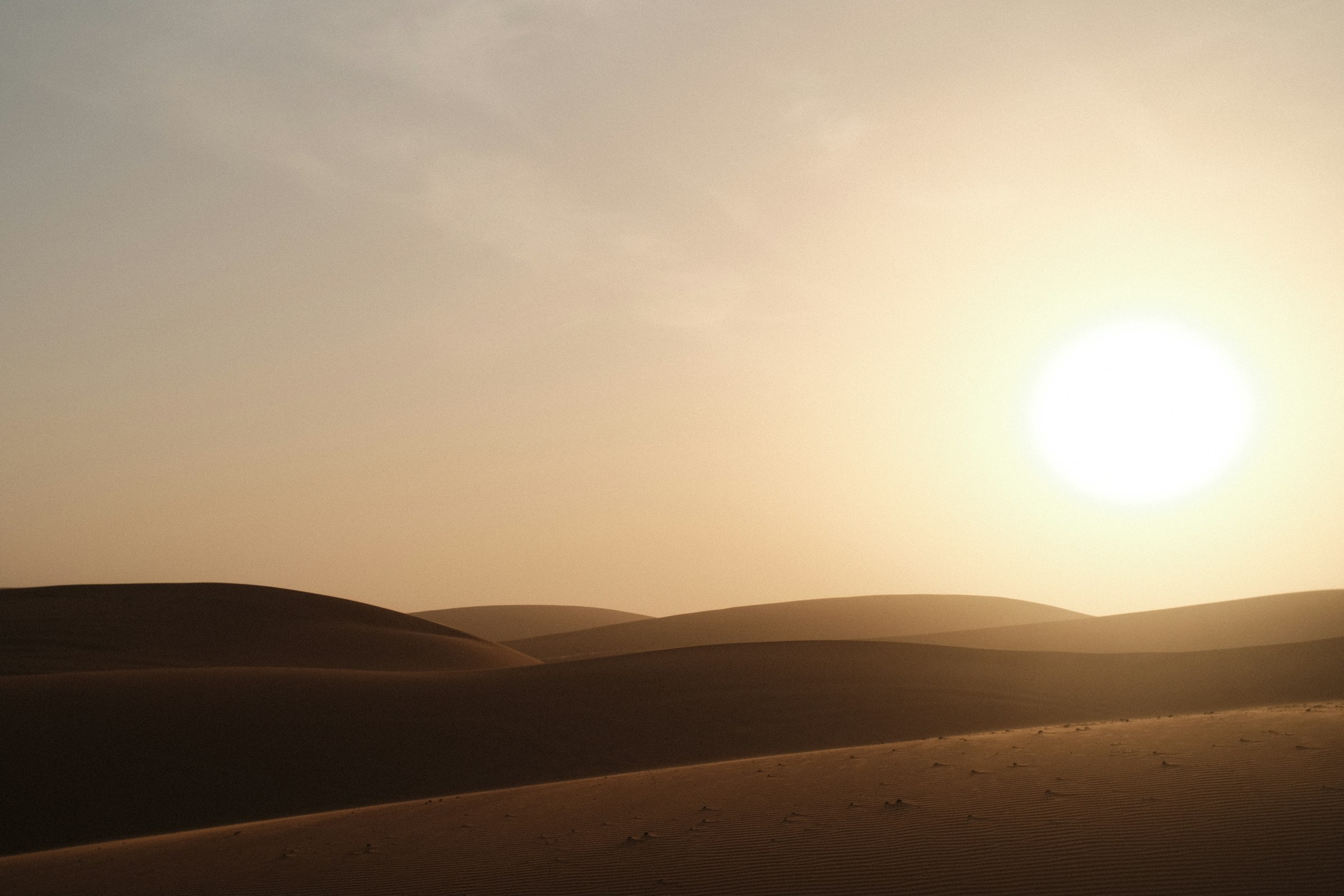
The Dakar Rally is coming back to Africa. For the first time in around 20 years, the world’s toughest rally-raid will race across Morocco: the 49th Dakar runs from 9 to 23 January 2027, starting in Loulé-Faro (Portugal) and finishing in Marrakech. Morocco hosts the vast majority of the race – 11 stages, the rest day in Agadir and the final podium. Here is everything you need to know: the full route, the dates, where to see the rally and how to combine it with a desert tour.
Dakar 2027 at a Glance
- Dates: 9–23 January 2027
- Countries: Portugal and Morocco
- Start: Loulé-Faro, Algarve (Portugal)
- Finish & podium: Marrakech
- Format: prologue + 12 stages
- Total distance: about 7,824 km, including about 4,341 km of timed special stages
- Bivouacs in Morocco: Bouarfa, Zagora, Agadir, Smara and Marrakech
- Rest day: Agadir (17 January)
- Longest stage: Stage 7, Agadir – Smara, about 500 km of special stage
- Competitors: over 350 entries – motorbikes, quads, cars, SSVs and trucks – plus the Dakar Classic for historic vehicles
Why Dakar 2027 Is Coming to Morocco
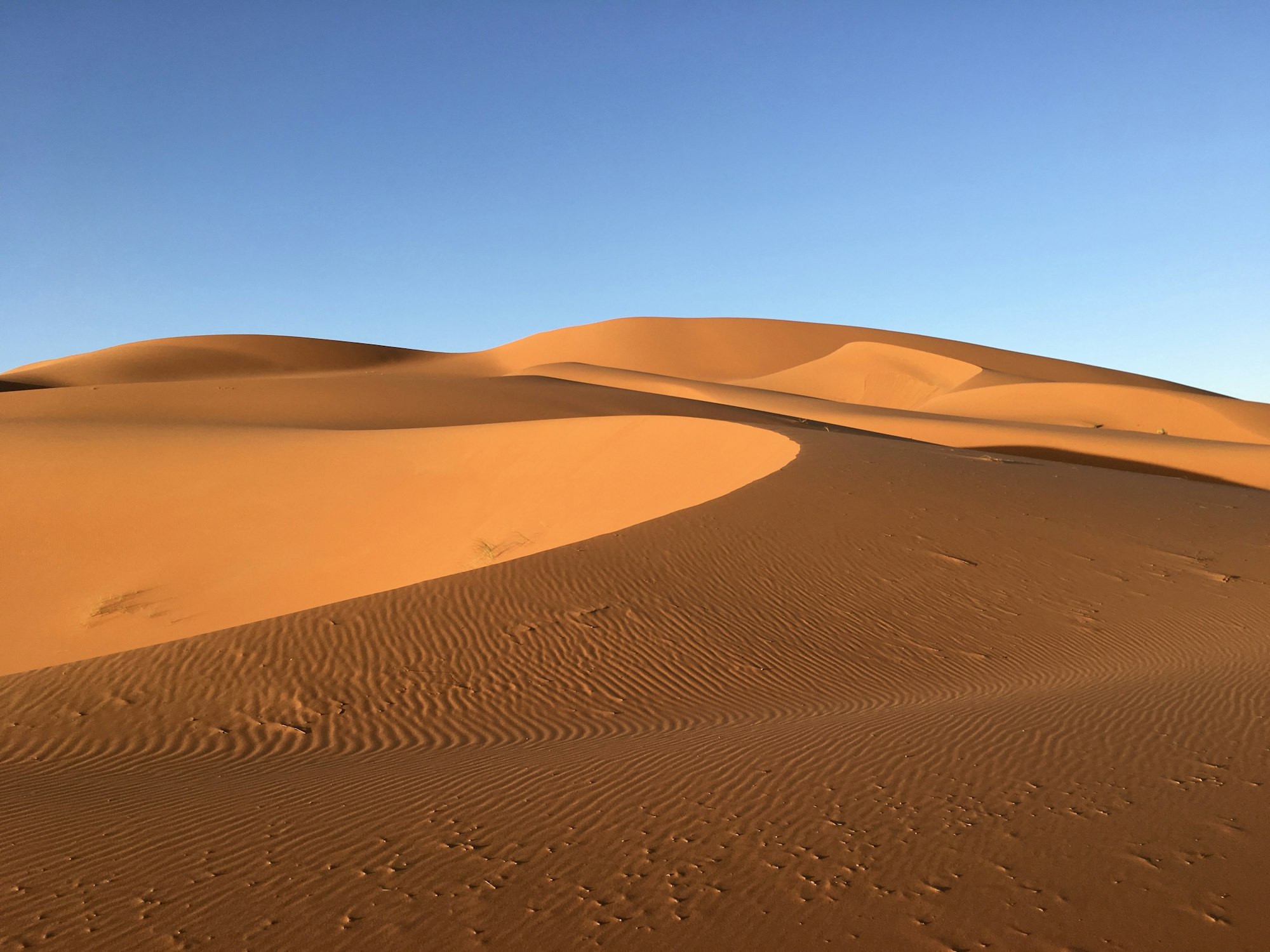
Since 2020 the Dakar had been held in Saudi Arabia. In October 2026 the organizer, Amaury Sport Organisation (ASO), announced that the 2027 edition would move to Portugal and Morocco for security reasons in the Middle East. ASO has described the move as exceptional and one-off, with the 50th edition planned back in Saudi Arabia in 2028. That makes January 2027 a once-in-a-generation chance to see the Dakar on African soil – right in the deserts where its legend was born.
Dakar 2027 Route: Stage by Stage
Here is the route as published by the organizers. Kilometers are approximate and can still change.
- Prologue – Sat 9 Jan: Loulé-Faro – Loulé-Faro (29 km special)
- Stage 1 – Sun 10 Jan: Loulé-Faro – Loulé-Faro (100 km special)
- Transfer – Mon 11 Jan: Portugal – Morocco by sea crossing to Nador, then on to Bouarfa (no timed section)
- Stage 2 – Tue 12 Jan: Bouarfa loop (390 km special)
- Stage 3 – Wed 13 Jan: Bouarfa loop (410 km special)
- Stage 4 – Thu 14 Jan: Bouarfa – Zagora (490 km special)
- Stage 5 – Fri 15 Jan: Zagora loop (365 km special)
- Stage 6 – Sat 16 Jan: Zagora – Agadir (365 km special)
- Rest day – Sun 17 Jan: Agadir
- Stage 7 – Mon 18 Jan: Agadir – Smara (500 km special – the longest)
- Stage 8 – Tue 19 Jan: Smara – marathon refuge (355 km special)
- Stage 9 – Wed 20 Jan: marathon refuge – Smara (390 km special)
- Stage 10 – Thu 21 Jan: Smara loop (470 km special)
- Stage 11 – Fri 22 Jan: Smara – Marrakech (455 km special)
- Stage 12 – Sat 23 Jan: Marrakech – Marrakech (22 km special) – finish and podium
Stages 8 and 9 form the marathon stage: competitors sleep at an isolated refuge without their assistance crews and must repair their own vehicles.
The Moroccan Bivouacs Explained
Bouarfa – The Eastern Gateway
In the high plateaus of the Oriental region, near the Algerian border, Bouarfa hosts the first Moroccan bivouac for three nights. Expect rocky tracks, wide plains and fast, technical navigation.
Zagora – The Draa Valley
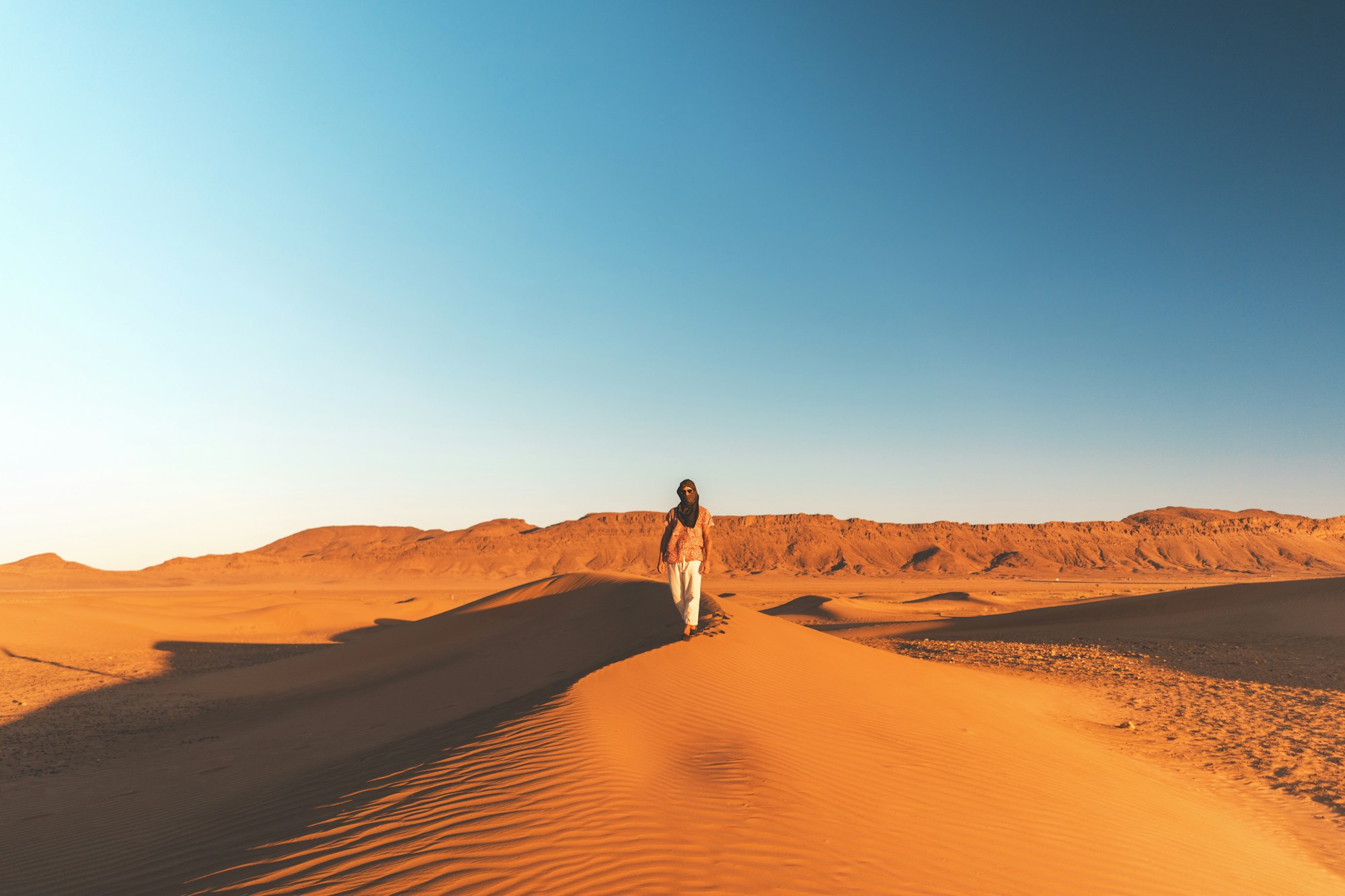
The historic “52 days to Timbuktu” town, surrounded by palm groves, black rock and dunes. Zagora is the most accessible bivouac for travelers coming from Marrakech or Ouarzazate.
Agadir – Rest Day by the Ocean
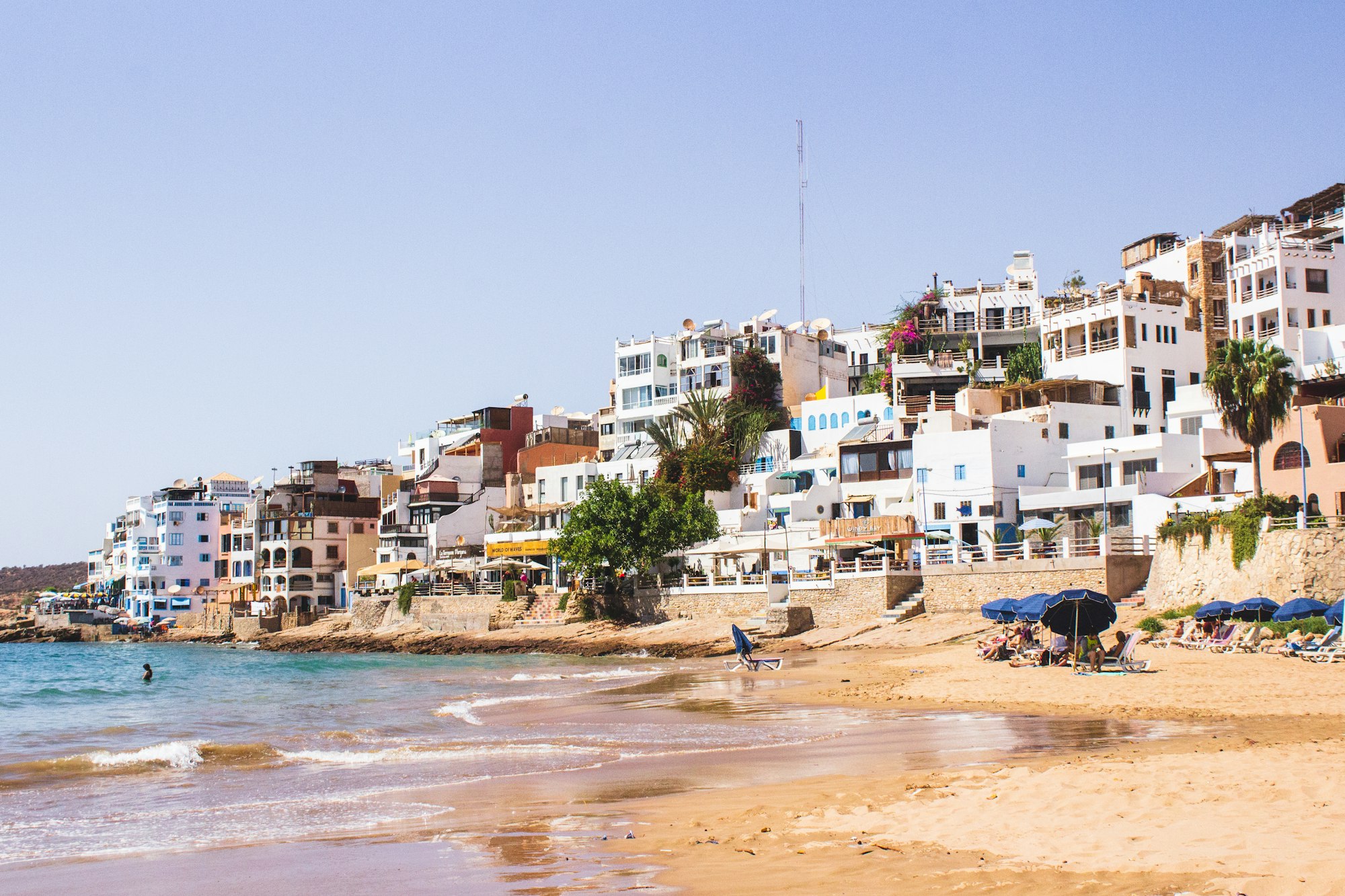
After a week in the desert, the caravan reaches the Atlantic for the rest day. Agadir is easy to reach by plane and has plenty of hotels – the most comfortable place for spectators to feel the Dakar atmosphere.
Smara – The Deep South
The heart of the hardest part of the rally: long, isolated stages and the marathon refuge. This is remote territory, best left to the competitors and organization.
Marrakech – The Grand Finale
After almost two weeks of racing, the Dakar ends in Marrakech with a short final stage and the podium ceremony. If you want one day to see the Dakar in Morocco, this is it.
Where and How Can You See the Dakar 2027 in Morocco?
- Finish in Marrakech (23 January): the best chance to see winners, teams and vehicles up close during the podium festivities.
- Rest day in Agadir (17 January): great atmosphere around the bivouac area and in the city.
- Zagora (14–16 January): the bivouac closest to the classic desert-tour routes.
- Official spectator zones: the organizers usually publish spectator areas and timings shortly before the race on the official Dakar website and app – check them before you go.
Safety Rules for Spectators
- Only watch from official or clearly safe zones, far from the racing line.
- Never stand on the outside of a bend, at the foot of a dune or downstream of a vehicle’s path.
- Don’t drive on the race route – special stages are closed and dangerous.
- Carry water, warm layers and a scarf – January desert days are sunny but nights are cold.
- Follow instructions from the organization, police and gendarmerie.
- Go with a local driver who knows the terrain – desert tracks are no place to improvise.
Weather in Morocco in January
January is winter in Morocco: sunny days around 18–22°C in Marrakech and Agadir, cooler in the desert, and nights that can drop close to 0°C in Bouarfa and the Sahara. Pack layers, a warm jacket, sunglasses and sunscreen.
Dakar 2027 Tours: Combine the Rally with a Moroccan Adventure
The Dakar route passes right through the regions we explore every day. Here are some ways to plan your trip around the rally:
Watch the Finish in Marrakech + Desert Experience
Arrive a few days early, explore the city and feel the desert spirit before the podium:
- 2-day Zagora desert tour from Marrakech – visit the Dakar’s Zagora region
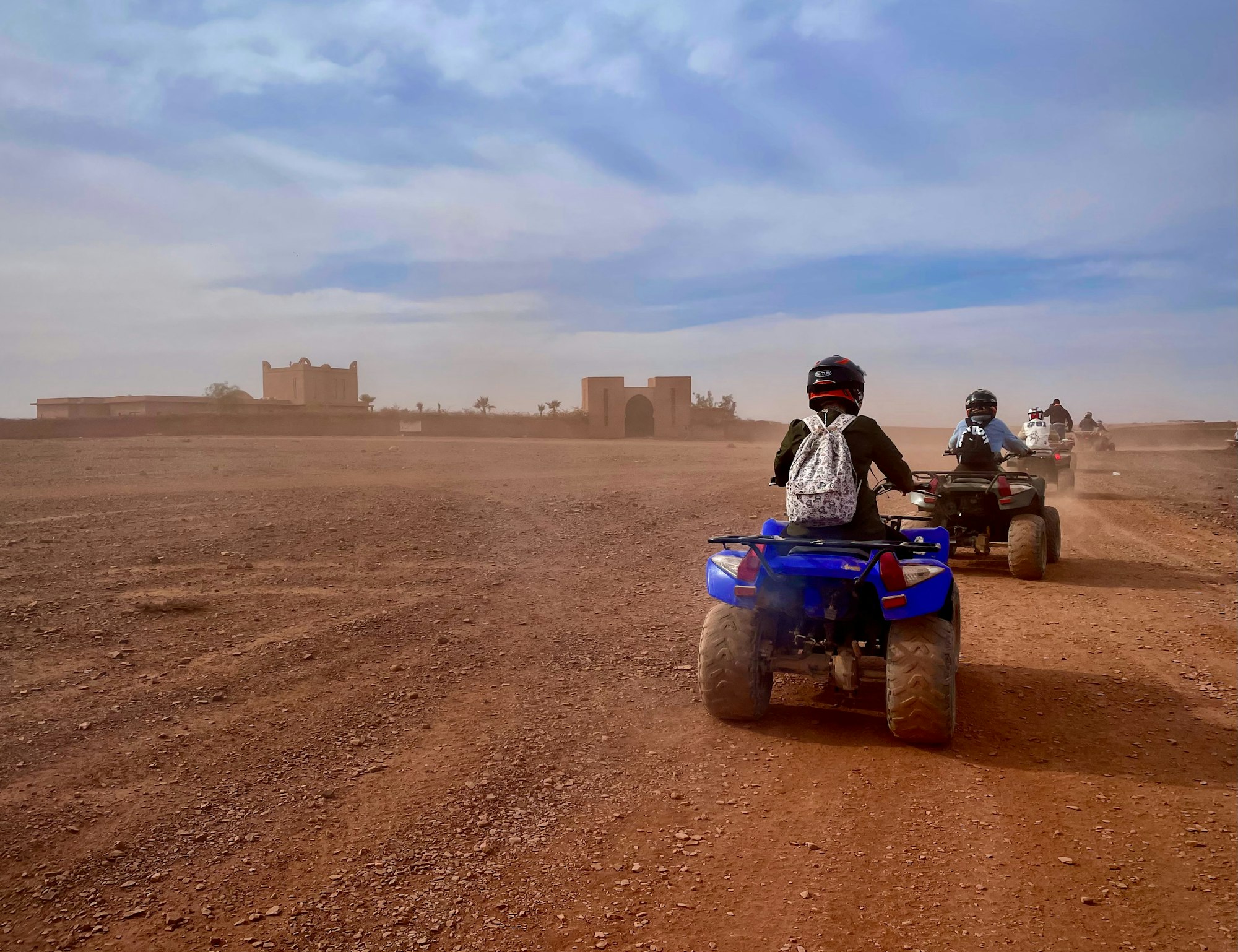
- Agafay quad bike, camel ride & dinner show – your own “mini-Dakar” near Marrakech
- Agafay desert quad riding adventure
- Half-day Marrakech city tour
- Hot-air balloon flight over Marrakech
Follow the Rally to Agadir and the South
- 3-day desert tour from Agadir to Marrakech
- 4 days from Agadir to Marrakech
- 5-day desert tour from Agadir to Marrakech
- All tours from Agadir
The Draa Valley and the Great Dunes
- 4-day Marrakech to Erg Chigaga – via Zagora and the Draa Valley, deep into rally country
- 3 days desert trip Marrakech to Merzouga
- Tours from Ouarzazate
Your Own Tailor-Made “Dakar Week”
Want to follow several bivouacs – Zagora, Agadir and the finish in Marrakech? We can design a private Dakar 2027 itinerary with a 4×4, driver and hotels along the route. Hotels near the bivouacs will fill up quickly in January, so we recommend booking early. Contact us for your Dakar 2027 trip.
Bonus: The Africa Eco Race 2027 Also Starts in Morocco
Love rally-raid? Just after the Dakar, the Africa Eco Race – which follows the spirit of the original Paris–Dakar – starts in Tangier on 24 January 2027 and crosses Morocco and Mauritania to finish at Lac Rose in Senegal on 6 February. Combine both with our tours from Tangier.
A Short History: The Dakar and Morocco
The Dakar was born in 1978–79 as the Paris–Dakar, crossing the Sahara to Senegal. For decades, Morocco’s pistes, dunes and oases were a key part of the legend. In 2008 the rally left Africa – first for South America, then Saudi Arabia. Its return to Moroccan sand in 2027 is a historic moment for fans and for the country.
Frequently Asked Questions
When is the Dakar Rally 2027?
From 9 to 23 January 2027, with the prologue in Portugal and the finish in Marrakech.
Where does the Dakar 2027 finish?
In Marrakech, Morocco, after a short final stage on 23 January.
Can the public watch the Dakar in Morocco?
Yes – at the finish in Marrakech, around bivouac cities like Agadir and Zagora, and in official spectator zones published by the organizers.
Which Moroccan cities host the Dakar 2027?
Nador (arrival by sea), Bouarfa, Zagora, Agadir, Smara and Marrakech.
Can you organize a trip to see the Dakar?
Yes. We can arrange transfers, hotels, a private 4×4 with driver and desert experiences around the rally dates.
Experience the Dakar Spirit in Morocco
The Dakar 2027 is a historic chance to see the world’s greatest rally in the deserts where it all began. Whether you want to cheer at the finish in Marrakech or chase the caravan through the south, our local team can plan it all. Ask for your free Dakar 2027 itinerary.
Route information based on the official Dakar 2027 route published by the organizer (ASO). Dates and distances may change – check the official Dakar website for the latest updates.
