

Thinking about Morocco for spring break, a study abroad semester or a trip with your college friends? You’re not alone. Morocco has become one of the most exciting destinations for American students: it’s exotic but easy, affordable, safe when you travel smart, and only a direct flight away from the East Coast. In this complete guide, our local team – who welcome student groups from US universities every year – answers every question American students ask before traveling to Morocco.
Why Morocco Is Perfect for American Students
- No visa needed: US citizens can visit Morocco visa-free for up to 90 days as tourists.
- Direct flights from the US: Royal Air Maroc flies nonstop to Casablanca from New York (JFK), Washington Dulles and Miami, and since June 2026 also from Los Angeles.
- Great value: riads, street food, transport and tours cost much less than in Europe – ideal for a student budget.
- Everything in one trip: the Sahara Desert, the Atlas Mountains, ancient medinas, surf beaches and vibrant cities.
- Languages: practice Arabic or French – or get by in English, which is widely spoken in tourist areas.
- Instagram-worthy everywhere: blue Chefchaouen, Sahara sunsets, Marrakech souks and rooftop cafés.

Is Morocco Safe for American Students?
Morocco is one of the most visited countries in Africa and is generally safe for students who travel smart. The US State Department currently lists Morocco at Level 2 – “Exercise increased caution” (updated September 2026), mainly due to a general risk of terrorism. For context, popular European destinations such as Spain and Italy are also at Level 2.
In practice, the most common issues for students are minor: pushy sellers, “fake guides” in the medinas, taxi overcharging and occasional pickpocketing. Our safety tips:
- Enroll in STEP (the State Department’s Smart Traveler Enrollment Program) before you go.
- Travel in pairs or groups, especially at night in the medinas.
- Use licensed guides and reputable tour companies.
- Keep your phone and wallet in front pockets or a cross-body bag.
- Dress modestly and respect local customs.
- Get travel insurance that covers medical care.
- Save the US Embassy in Rabat and Consulate General in Casablanca contacts, and Moroccan emergency numbers: Police 19, Ambulance 15.
Women traveling with friends or alone should also read our guide to Morocco solo female travel.
Entry Requirements for US Citizens
- Passport: valid for your entire stay, with at least one blank page (many airlines recommend 6 months’ validity).
- Visa: not needed for tourist stays up to 90 days. Semester students may need to apply for a residence permit through their program – your university or provider will guide you.
- Vaccines: none required; check the CDC recommendations and see your doctor 4–6 weeks before travel.
Full details: Do I need a visa or vaccinations to visit Morocco?

Flights from the USA to Morocco
Most students fly into Casablanca (CMN), the main hub of Royal Air Maroc, and then connect to Marrakech, Fes, Tangier or Agadir by plane or train. Nonstop routes from the US:
- New York JFK – Casablanca
- Washington Dulles – Casablanca
- Miami – Casablanca
- Los Angeles – Casablanca (about 11 hours, three times a week)
Budget tip: compare connections via Europe (Madrid, Lisbon, Paris, London) – combining a cheap transatlantic flight with a low-cost flight to Marrakech can save money, especially for spring break.
Spring Break in Morocco
March is one of the best months to visit: sunny days, green valleys, snow on the Atlas peaks and comfortable desert temperatures. A typical 7–9 day spring break trip looks like this:
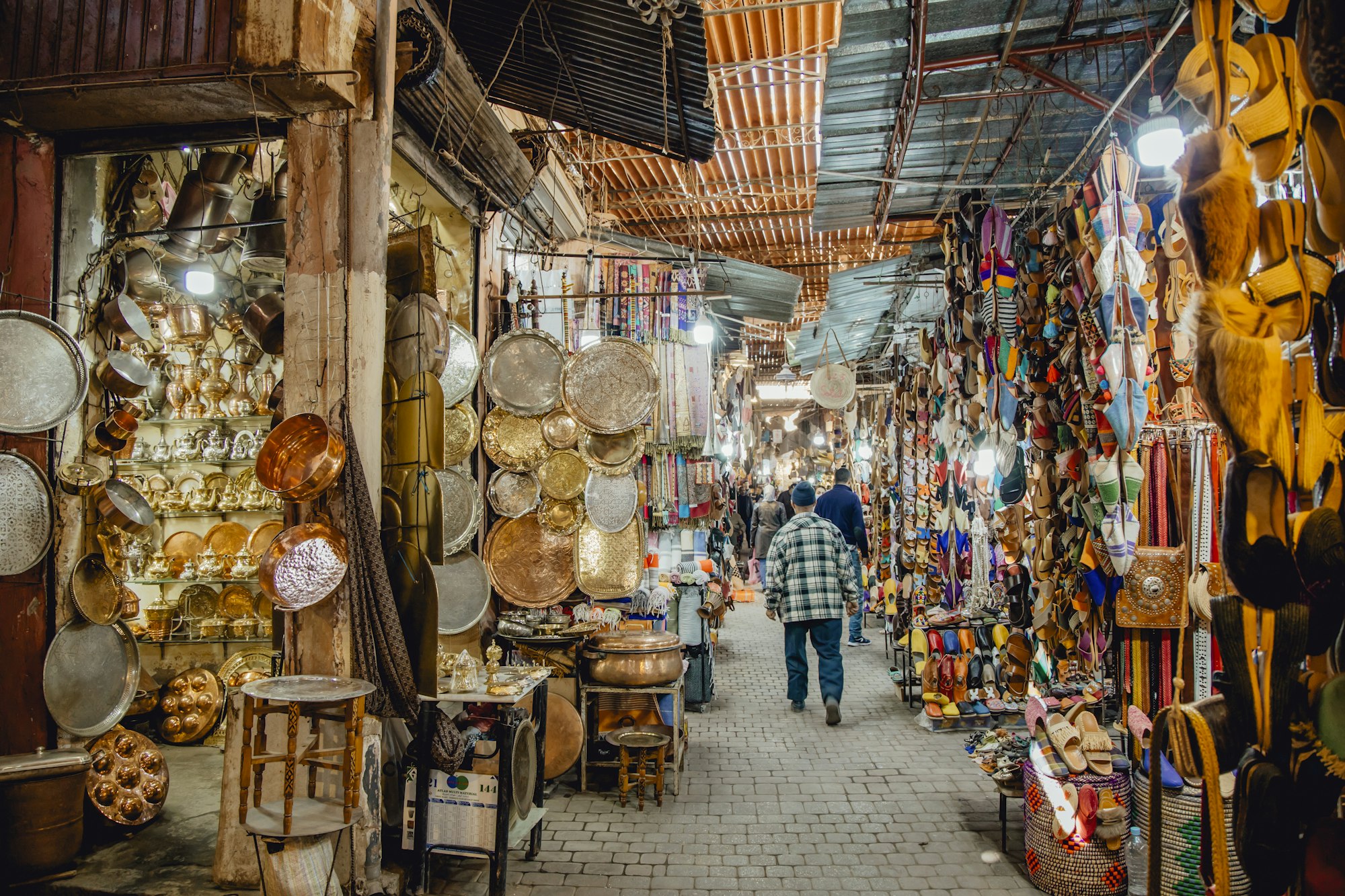
- Days 1–2: Marrakech – souks, Jemaa el-Fna, Majorelle Garden, a hammam and rooftop dinners.
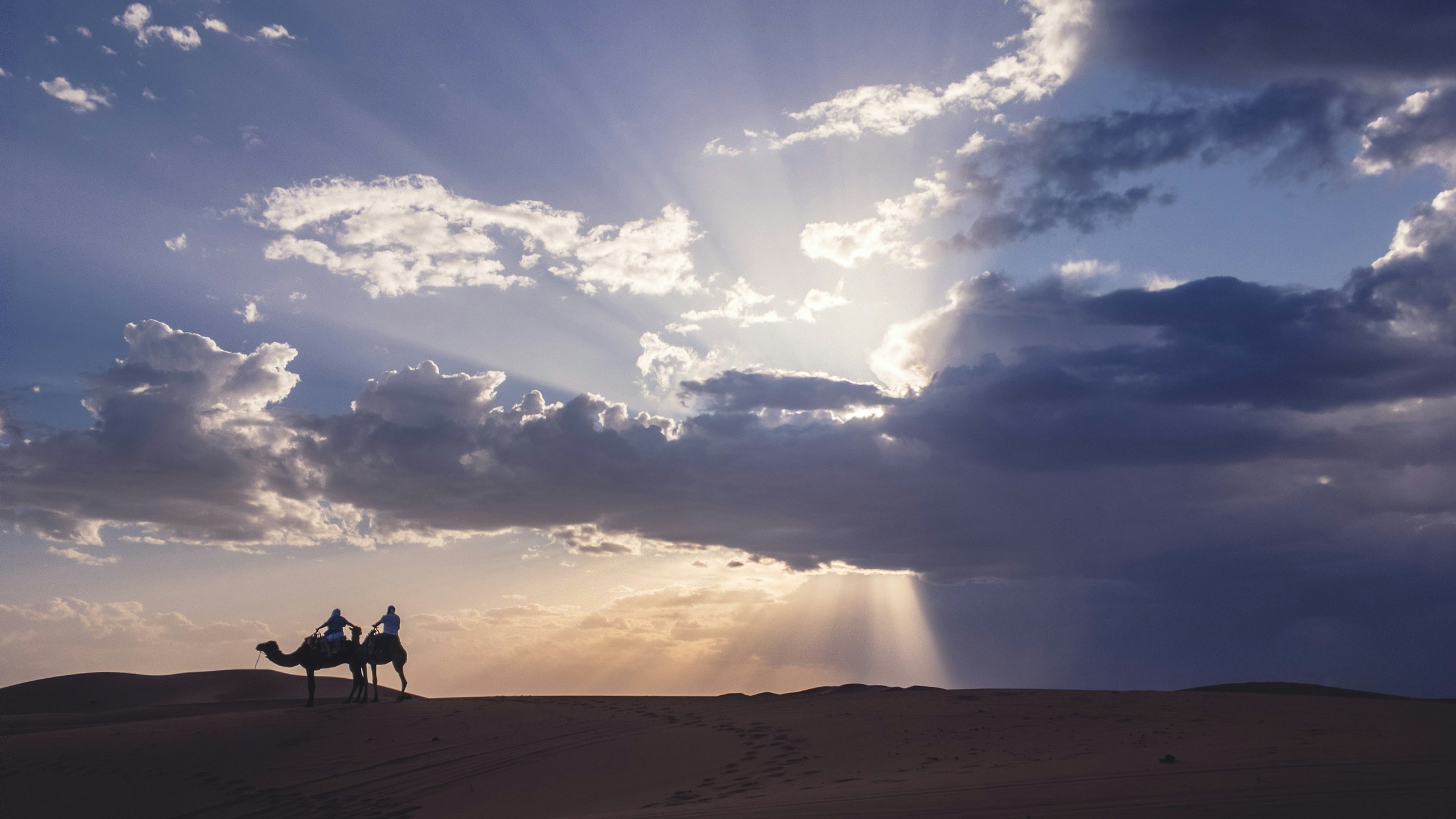
- Days 3–5: Sahara adventure – High Atlas, Ait Ben Haddou (seen in Gladiator, Game of Thrones and The Odyssey), Dades Valley, camel trek and a night in a desert camp in Merzouga.
- Days 6–7: Fes and its medieval medina, or back to Marrakech for quad biking and a sunrise balloon flight.
- Optional: Chefchaouen, the blue city, or the surf town of Taghazout.
Short on time? Our 3 Days Desert Trip from Marrakech to Merzouga is the most popular student choice.
Studying Abroad in Morocco
Morocco is a top destination for American students studying Arabic, French, Middle Eastern and North African studies, international relations, human rights and global health. Popular options include:
- Rabat – the capital hosts well-known US-oriented programs such as AMIDEAST, CIEE, IES Abroad and SIT, with homestays and Arabic language courses.
- Ifrane – Al Akhawayn University, an English-language liberal arts university in the Middle Atlas, about an hour from Fes and Meknes.
- Tangier – the University of New England’s campus offers courses for US students.
- Fes and Meknes – language schools and cultural programs in historic imperial cities.
Most programs include excursions, but weekends and breaks are the perfect time to explore more. We organize trips for study abroad students from every city:
- From Rabat: 3-day desert tour from Rabat to Marrakech or all tours from Rabat
- From Fes or Ifrane: 2-day desert trip from Fes to Merzouga
- From Tangier: 5-day desert tour from Tangier via Merzouga
- From Casablanca: 5-day tour from Casablanca to Marrakech
- From Marrakech: 2-day Zagora desert tour – perfect for a weekend
Morocco on a Student Budget
- Travel as a group: private tours become very affordable when split between 4–8 friends.
- Eat local: tagine, couscous, harira soup, msemen and fresh orange juice cost very little in local cafés.
- Use trains between big cities (ONCF), with discounts for young travelers.
- Stay in riads or hostels in the medinas – many include breakfast.
- Haggle politely in the souks.
- Withdraw cash at bank ATMs; many small places only take dirhams.

Best Experiences for Students in Morocco
- Camel trek and a night under the stars in the Sahara
- Sandboarding on the Erg Chebbi dunes
- Quad biking in the Agafay desert with dinner and show
- Sunrise hot-air balloon over Marrakech
- Hiking in the Atlas Mountains
- Surfing in Taghazout and exploring Essaouira
- A cooking class and a traditional hammam
- Getting lost (safely!) in the medina of Fes
Cultural Tips for American Students
- Dress code: cover shoulders and knees, especially outside big cities and when visiting religious sites.
- Greetings: “Salam alaikum” (hello) and “shukran” (thank you) go a long way.
- Photos: always ask before photographing people.
- Alcohol: available in licensed hotels, bars and some restaurants – not in public.
- Ramadan: avoid eating or drinking in public during the day out of respect.
- Tipping: appreciated for guides, drivers and restaurant staff.
- Staying connected: buy a local SIM (Maroc Telecom, Orange or Inwi) and use WhatsApp. See our best apps for traveling in Morocco.
What to Pack for Morocco
- Lightweight long pants, maxi skirts and T-shirts that cover the shoulders
- A warm jacket – desert nights and the Atlas are cold, even in spring
- A scarf (great for sun, sand and visiting mosques)
- Comfortable walking shoes
- Sunglasses, sunscreen and a reusable water bottle
- Universal power adapter (Morocco uses type C/E plugs, 220V)
- Copies of your passport and insurance
Student Tours with Sahara Trip Morocco
Our Morocco Student Tours are designed for university and college students: private transport, local guides, riads and desert camps, flexible itineraries and student discounts, with departures from Marrakech, Casablanca, Fes or Tangier. Traveling as a club, class or group of friends? Ask about our special offers.

Frequently Asked Questions
Do American students need a visa for Morocco?
No. US citizens can visit Morocco visa-free for up to 90 days. Students staying longer for a semester or year should follow their program’s instructions for a residence permit.
Is Morocco safe for American college students?
Yes, for students who travel smart. The US State Department lists Morocco at Level 2 (“exercise increased caution”), the same level as Spain and Italy. Follow local advice, travel in groups and use trusted companies.
How long is the flight from the US to Morocco?
About 7 hours nonstop from New York to Casablanca, and about 11 hours from Los Angeles.
Is Morocco good for spring break?
Absolutely – March and April bring ideal weather for the Sahara, the mountains and the cities.
Can I travel Morocco if I only speak English?
Yes. English is common in tourist areas, hotels and tour companies, and our guides speak English fluently.
How much does a student trip to Morocco cost?
It depends on season, group size and comfort, but Morocco is much cheaper than most of Europe. Traveling in a group of friends makes private tours surprisingly affordable – ask us for a student quote.
Plan Your Student Trip to Morocco
Whether it’s spring break, a weekend escape from your study abroad program or a summer adventure, our local team will help you plan a safe, fun and affordable trip. Contact us today for your free personalized student itinerary.
