

Yes, Morocco is generally a safe country to visit – millions of tourists travel here every year, and it is one of the most visited countries in Africa. Like any popular destination, it has scams and petty crime, and some areas require common sense. As a local tour company, here is our honest guide to staying safe and relaxed in Morocco.
Official Travel Advice
The US State Department lists Morocco at Level 2 – “Exercise increased caution” (updated September 2026), mainly due to a general risk of terrorism – the same level as popular European destinations such as Spain and Italy. Always check your own government’s latest travel advice before you go.
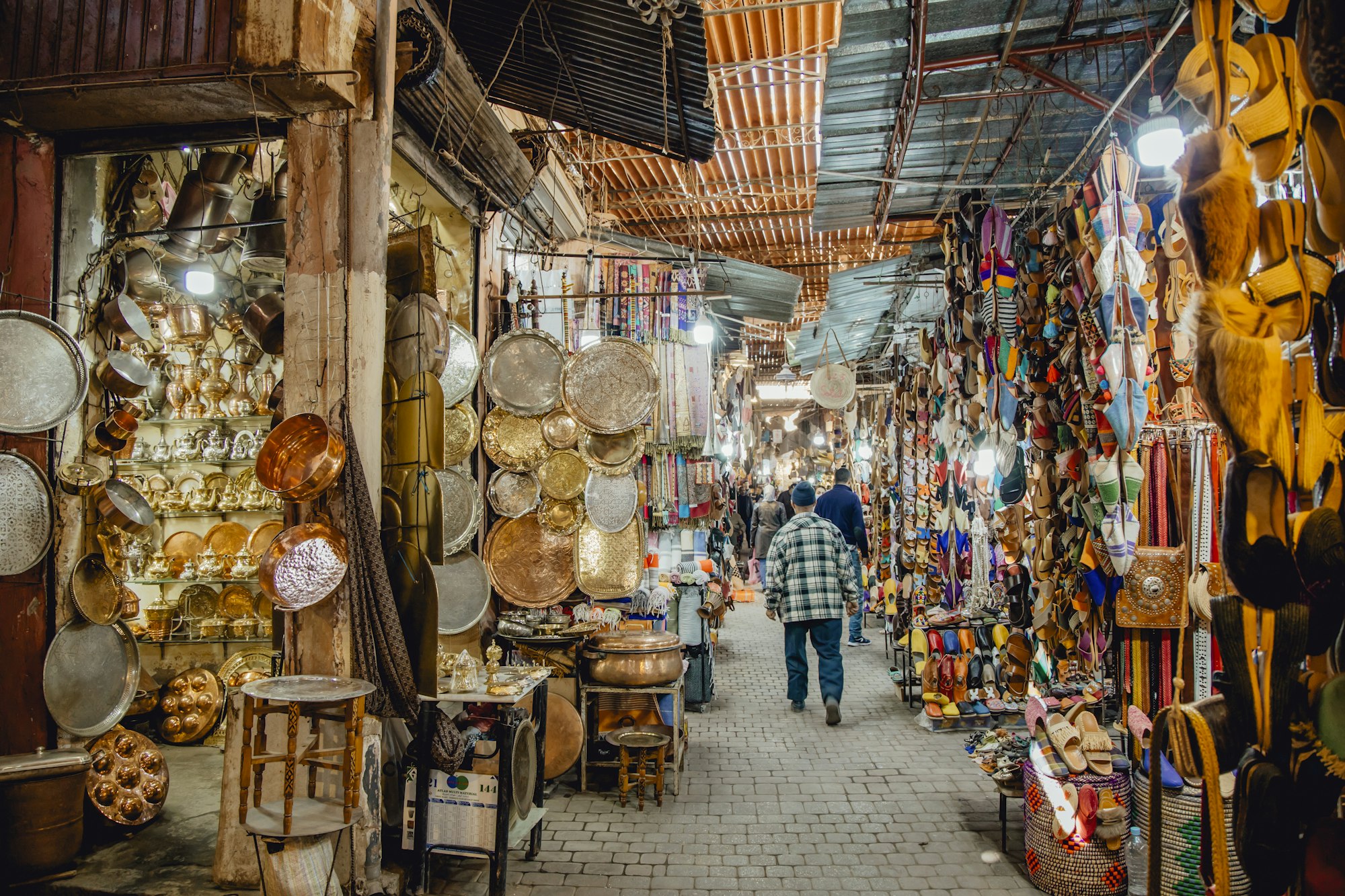
The Most Common Problems for Tourists
- Fake guides: people offering to show you the way in the medina and then asking for money or taking you to shops.
- “The road is closed” trick: someone tells you a street is closed and offers to guide you elsewhere.
- Taxi overcharging: drivers who don’t use the meter.
- Pushy sellers in the souks.
- Pickpocketing in crowded areas like Jemaa el-Fna.
- Henna and photo scams: unrequested henna or photos with animals, followed by a demand for money.
None of these are dangerous, and they’re easy to avoid once you know them.
15 Practical Safety Tips
- Book your first night and arrange an airport transfer.
- Use licensed guides (they carry an official badge).
- Agree on prices before any service.
- Use the meter in petit taxis or agree a fare first.
- Keep your phone and wallet in front pockets or a cross-body bag.
- Carry a copy of your passport; leave the original in the hotel safe.
- Avoid empty medina alleys late at night.
- Dress modestly to receive less attention.
- A polite “La, shukran” (no, thank you) and walking on works best.
- Withdraw cash from ATMs inside banks.
- Drink bottled water.
- Get travel insurance.
- Don’t hike alone in remote mountains – go with a local guide.
- Avoid public demonstrations.
- Save emergency numbers: Police 19, Gendarmerie (rural areas) 177, Ambulance/Fire 15.
Is Morocco Safe for Women?
Yes, many women travel Morocco alone or with friends. Expect some verbal attention in busy medinas; dressing modestly and walking confidently helps a lot. Read our detailed solo female travel guide.
Is the Sahara Safe?
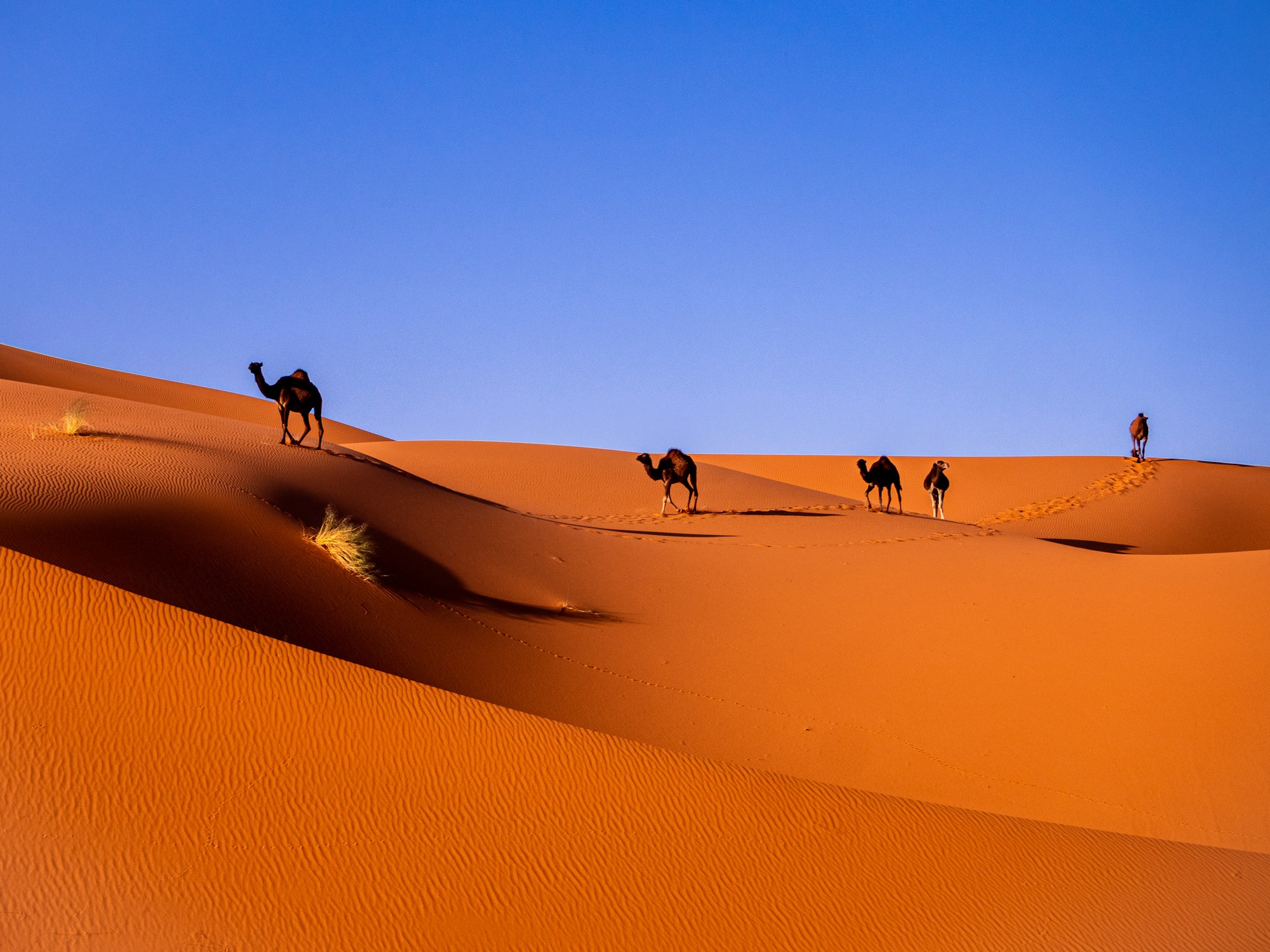
Yes. Desert areas visited by tourists – Merzouga, Zagora, Erg Chigaga – are well organized and safe. Go with a reputable operator and an experienced driver, especially for off-road routes. Read 10 things to know about the Sahara.
Is Morocco Safe for Families and Students?
Absolutely – Moroccans are very welcoming to children and young travelers. See our family adventure tour and guide for American students.
Health and Food Safety
- Drink bottled water and avoid ice in small cafés.
- Eat freshly cooked hot food in busy places.
- Pharmacies are excellent and easy to find.
- Bring sunscreen and stay hydrated, especially in summer and in the desert.
Road Safety
Highways are good, but mountain roads are winding and rural roads can have animals, trucks and pedestrians. Night driving is best avoided. A private driver is the safest and most relaxing way to cover long distances – read how to book a private driver.
Frequently Asked Questions
Is Marrakech safe for tourists?
Yes. Watch out for pickpockets and fake guides, and you’ll have a great time.
Is it safe to travel Morocco independently?
Yes, especially between big cities by train. For the desert and mountains, a local driver makes things much easier.
What is the safest way to see Morocco?
A private tour with a licensed local company: you get transport, trusted accommodation and someone who knows the country by your side.
Travel Morocco with Peace of Mind
Our local team takes care of every detail so you can simply enjoy. Contact us for your private itinerary.
