

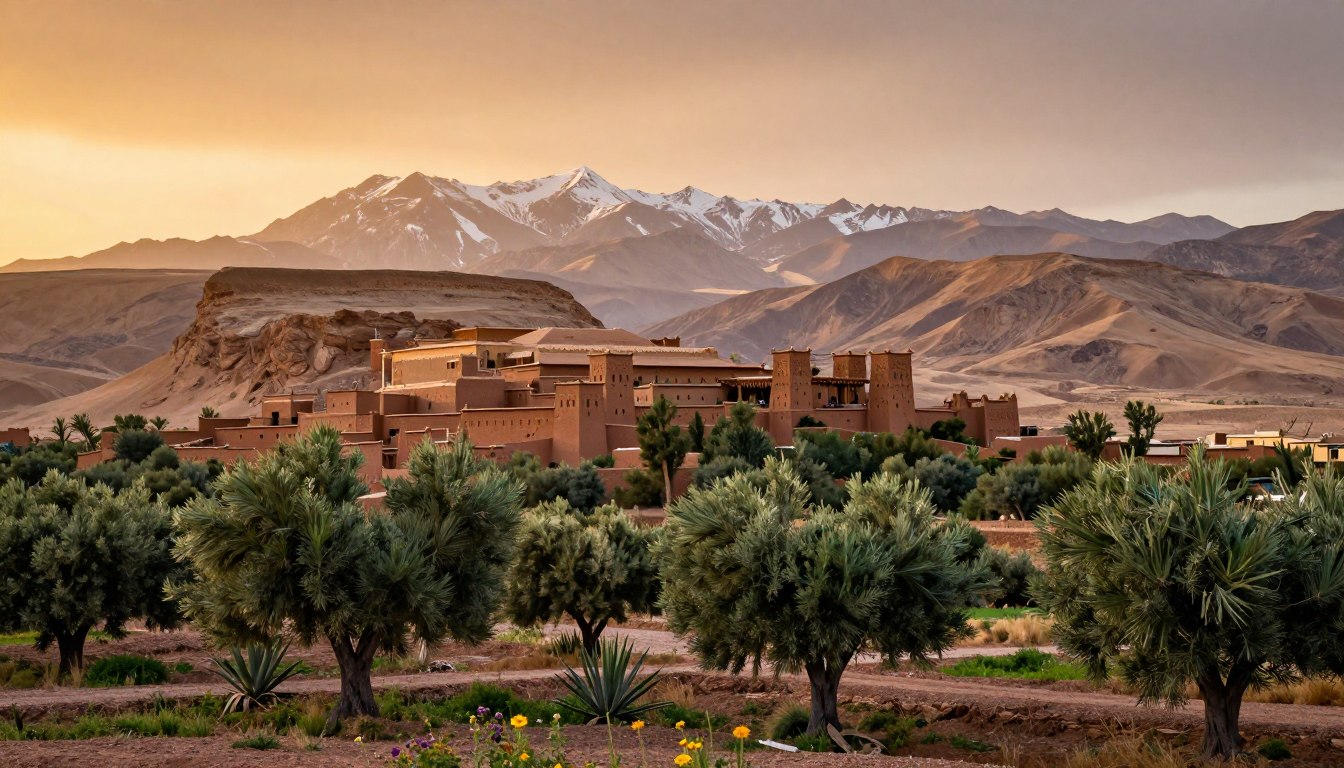
Imagine a land where the Sahara Desert dunes stretch endlessly. The colors of bustling markets excite your senses. And the locals’ warm welcome makes you feel right at home. This is Morocco, a gem in North Africa filled with adventures, culture, and natural beauty.
From the Atlas Mountains’ snow to the calm coastal towns, Morocco is a mix of cultures and nature. It will enchant and inspire you.
Key Takeaways
- Discover the diverse landscapes of Morocco, from deserts to mountains.
- Experience the rich cultural heritage and traditions of North Africa.
- Explore the vibrant cities and serene coastal towns.
- Enjoy the warm hospitality of the locals.
- Take in the breathtaking natural wonders of the region.
Discovering the Diverse Beauty of Morocco
Morocco is a traveler’s dream, with its rugged mountains and vast deserts. The country’s geography has shaped its culture and attractions.
A Land of Contrasting Terrains
Morocco boasts different landscapes, from the Sahara Desert to the Atlas Mountains. It also has coastal areas by the Atlantic and Mediterranean. This variety brings unique plants and animals to each place.
- The Sahara Desert, with its vast dunes and oases, offers a surreal landscape.
- The Atlas Mountains provide a rugged terrain ideal for trekking and exploring Berber villages.
- The coastal regions are known for their beautiful beaches and vibrant cities.
Geographic Diversity in North Africa
Morocco stands out in North Africa for its varied landscapes. It attracts tourists looking for desert adventures, mountain treks, and beach relaxation.
Key features of Morocco’s geographic diversity include:
- Diverse ecosystems, ranging from deserts to mountains.
- A rich cultural heritage influenced by its geography.
- A variety of climates, from Mediterranean to desert.
What Makes Morocco Enchanting
Morocco’s landscapes are not just beautiful; they’re also tied to its Moroccan culture and traditions. The mix of Arab, Berber, and French influences makes its culture unique. This is seen in its architecture, food, and lifestyle.
Morocco’s beauty and culture draw in travelers. Whether you’re in Marrakech’s souks, the Atlas Mountains, or the Atlantic coast, there’s something for everyone.
The Majestic Sahara Desert Experience
The Sahara Desert in Morocco is a sight to behold. It’s the world’s largest hot desert, covering much of North Africa. This includes parts of Morocco.
Erg Chebbi and Erg Chigaga Dunes
The Erg Chebbi and Erg Chigaga dunes are breathtaking. Erg Chebbi, near Merzouga, is a favorite for desert lovers. The dunes tower high, making the scene surreal.
Erg Chigaga, near M’Hamid El Ghizlane, is more secluded. It offers a pure desert experience. Both places are great for camel trekking and desert camping. They let you enjoy the Sahara’s calm.
Desert Adventures and Camel Trekking
Exploring the desert in Morocco often means camel trekking. It lets you see the Sahara’s beauty slowly. Camels are a great way to travel here.
Guided tours are common. They have guides who know a lot about the desert. These tours can be short or last for days, showing you the Sahara’s beauty.
Overnight Stays in Desert Camps
Staying in desert camps is a big part of the Sahara trip. These camps range from fancy to simple. You can enjoy traditional Moroccan cuisine and activities like stargazing.
Desert camps near Erg Chebbi and Erg Chigaga have lots to do. You can hike, sandboard, or just relax by the fire. Staying here lets you see amazing sunsets and sunrises.
The Atlas Mountains: Morocco’s Natural Backbone
The Atlas Mountains are Morocco’s backbone, with stunning views and varied ecosystems. They are more than just mountains; they are a cultural and ecological treasure.
High Atlas Mountain Range
The High Atlas boasts Morocco’s tallest peaks, including Jbel Toubkal, the highest in North Africa. Its rugged terrain is perfect for hiking and trekking, with trails for all skill levels.
Middle Atlas Cedar Forests
The Middle Atlas is famous for its dense cedar forests. These forests are a wildlife haven and showcase Morocco’s biodiversity. They are a natural wonder and vital to the local ecosystem.
Berber Villages and Mountain Culture
Berber villages dot the Atlas Mountains, where traditional culture flourishes. Visitors can explore these villages and learn about local customs. The Berber culture is a key part of Morocco’s heritage, making it a highlight for many.
The Atlas Mountains are also a hotspot for adventure. Activities include hiking, mountain biking, and skiing in winter. Their natural beauty and cultural richness make them a must-see in Morocco.
| Activity | Location | Best Time |
|---|---|---|
| Hiking | High Atlas | Spring, Autumn |
| Skiing | Oukaïmeden | Winter |
| Exploring Berber Villages | Middle Atlas | Year-round |
Morocco’s Stunning Coastal Landscapes
Morocco’s coastline is a treasure trove of diverse landscapes. It offers a unique blend of Atlantic and Mediterranean beauty. This extensive shoreline is not just a geographical feature; it’s an experience that combines natural beauty, cultural richness, and adventure.
Atlantic Ocean Coastline
The Atlantic coastline of Morocco is known for its dramatic waves and wide sandy beaches. It’s a favorite among surfers and those looking for a relaxing beach vacation. Casablanca, the largest city on the Atlantic coast, offers a blend of modern and traditional attractions. The iconic Hassan II Mosque is partially built over the sea.
Mediterranean Shores
In contrast, the Mediterranean coastline is characterized by its calm waters and scenic views. This region is rich in history and culture, with several towns that offer a glimpse into Morocco’s past. The Mediterranean shores are perfect for those seeking tranquility and a chance to explore the local heritage.
Coastal Towns and Beach Destinations
Morocco’s coastal towns are as diverse as they are charming. From the laid-back vibes of Taghazout to the historic significance of Essaouira, each town has its unique charm. Visitors can enjoy a range of activities, from water sports to exploring local markets and savoring fresh seafood.
The coastal regions of Morocco offer a refreshing contrast to the desert and mountain landscapes. They showcase the country’s varied natural beauty. Whether you’re looking for adventure, relaxation, or cultural immersion, Morocco’s coastline has something for everyone.
Marrakech: The Red City of Wonder
Marrakech is a city that grabs your attention. It’s full of history and life. Here, old and new mix beautifully, showing off Moroccan culture.
In Marrakech’s old city, Jemaa el-Fnaa Square is the heart. It’s a place where you can see, hear, and taste the city’s spirit. Street performers, food stalls, and lively crowds make it unforgettable.
Jemaa el-Fnaa Square
Jemaa el-Fnaa is more than a square; it’s an adventure. At sunset, it turns into a colorful, lively scene. Snake charmers, musicians, and performers fill the air with excitement.
Majorelle Garden and Palaces
The Majorelle Garden is a gem in Marrakech. French artist Jacques Majorelle created this oasis. It’s a feast for the eyes, with its blue buildings and lush plants.
The city’s palaces, like the Bahia Palace and the El Badi Palace, show off Marrakech’s architectural beauty. Their detailed work and tile designs are breathtaking.
The Medina’s Vibrant Souks
The medina of Marrakech is a maze of markets and streets. Here, you can find everything from crafts to food. It’s a place where tradition meets modern commerce.
Marrakech is a city that fascinates with its mix of old and new. Its history, culture, and architecture make it a top spot for travelers.
Fez: The Cultural Heart of Morocco
Fez is the cultural heart of Morocco, filled with traditions and heritage. This ancient city is a treasure trove of history, architecture, and culture. It’s a fascinating place for travelers to explore.

Fez el-Bali: The Ancient Medina
Fez el-Bali, the old medina, is a UNESCO World Heritage Site. It’s one of the oldest and largest walled cities in the world. Its narrow streets are filled with historic buildings, bustling souks, and landmarks, giving a glimpse into the city’s rich past.
Traditional Tanneries and Craftsmanship
The traditional tanneries of Fez are famous for their leather production. Visitors can see the ancient craftsmanship that has been passed down through generations. They can observe the detailed processes involved in making high-quality leather goods.
Al-Qarawiyyin University
Al-Qarawiyyin University, founded in 859 AD, is one of the oldest universities in the world. It has played a big role in the intellectual and cultural history of the Islamic world. Scholars and students from all over the globe have been drawn to it.
Fez’s cultural significance is clear in its well-preserved architecture, traditional craftsmanship, and historical institutions like Al-Qarawiyyin University. The city’s ancient medina, Fez el-Bali, is a living testament to Morocco’s rich cultural heritage. It makes Fez a must-visit for anyone interested in exploring the depths of Moroccan culture.
Casablanca: Morocco’s Modern Metropolis
Casablanca is a modern gem in Morocco, known for its sleek skyscrapers and vibrant culture. It’s the country’s economic heart and a place where old meets new.
Hassan II Mosque
The Hassan II Mosque is a highlight in Casablanca, famous for its stunning design and craftsmanship. This amazing mosque, built over the Atlantic Ocean, shows off Moroccan talent and creativity.
Contemporary Urban Landscape
Casablanca’s cityscape is filled with modern buildings, busy shopping areas, and a lively nightlife. It offers a fresh view of Morocco’s rich culture, unlike the ancient cities.
| Landmark | Description |
|---|---|
| Hassan II Mosque | Iconic mosque known for its architecture and craftsmanship |
| Casablanca Twin Center | Modern shopping and business complex |
| Old Medina | Historic area with traditional architecture |
Casablanca is a city that perfectly mixes old and new. Its modern cityscape and historical sites offer a full Moroccan experience.
The Blue Pearl of Chefchaouen
Chefchaouen is a peaceful gem in the Rif Mountains. It has won the hearts of many travelers. The town’s blue streets and buildings make it a unique and beautiful place.
The Blue-Washed Streets
The blue buildings and streets in Chefchaouen are stunning. They make the town feel calm and peaceful. The blue color comes from Jewish refugees, adding to the town’s history and beauty.
Rif Mountains Setting
Chefchaouen is surrounded by the Rif Mountains. This offers great hiking and exploration opportunities. The mountains and the blue streets make it perfect for nature lovers and adventurers.
Local Artisan Traditions
Chefchaouen is famous for its local crafts. You can find handmade items like textiles and pottery in shops and markets. The artisans keep traditional skills alive, showing Chefchaouen’s rich culture.
| Activity | Location | Description |
|---|---|---|
| Hiking | Rif Mountains | Explore the scenic trails and enjoy breathtaking views |
| Shopping | Local Markets | Discover handmade crafts and traditional goods |
| Cultural Tours | Blue-Washed Streets | Learn about the history and cultural significance of Chefchaouen’s architecture |
Chefchaouen is a special place in Morocco. It offers both peace and adventure. Whether you want to relax or explore, Chefchaouen has something for everyone.
Ancient Kasbahs and Desert Fortresses
Exploring Morocco’s ancient kasbahs and desert fortresses is like stepping back in time. It reveals the country’s rich history. These structures, found across deserts and mountains, show the skill and creativity of their builders.
Ait Benhaddou
Ait Benhaddou, a UNESCO World Heritage Site, is Morocco’s most famous kasbah. It’s a well-preserved example of traditional Moroccan architecture. Its earthen buildings and mudbrick structures are truly impressive.
Visitors can wander through its narrow alleys and see ancient granaries. They can also feel the rich history of this iconic kasbah. It’s also famous for being a filming location, making it even more special.
The Road of a Thousand Kasbahs
The Road of a Thousand Kasbahs is a scenic route through the desert. It offers stunning views and insights into Morocco’s architectural heritage. This journey is not just about reaching a destination; it’s an experience that highlights the beauty and history of Morocco’s kasbahs.
- Scenic desert landscapes
- Historic kasbahs and fortresses
- Opportunities to engage with local culture
Architectural Heritage
The ancient kasbahs and desert fortresses of Morocco are not just historical treasures. They also showcase architectural ingenuity. Built from local materials like mud, clay, and wood, these structures have endured for centuries. They reflect the resourcefulness of their builders.
The architecture of these sites combines Berber, Arab, and Islamic styles. This blend creates a unique cultural identity that is distinctly Moroccan.
Immersing in Moroccan Culture and Traditions
Morocco’s culture is a mix of Berber, Arab, and French, making it unique. Visitors can dive into its traditions. From bustling souks to peaceful deserts, Morocco’s culture is a big part of its charm.
Berber Heritage and Customs
The Berber community has greatly influenced Moroccan culture. Their customs and traditions are alive today. Visitors can experience Berber hospitality by staying in traditional villages or attending local festivals.
Berber Heritage is kept alive through their language, art, and daily life. Berbers are known for their skilled craftsmanship, like weaving and pottery. These crafts are highly valued in Morocco.
Islamic Architecture and Art
Morocco is famous for its Islamic architecture. It features detailed geometric patterns and beautiful arches. Mosques, madrasas, and palaces show the skill of Moroccan craftsmen.
The mosques in Marrakech and Fez are stunning. They have beautiful tile work and calligraphy. Islamic art in Morocco also includes decorative arts like zellij tile work and wood carvings.
Traditional Music and Festivals
Music and festivals are key to Moroccan culture. Traditional music is played during celebrations. The Gnaoua music, with its African roots, is very popular.
Morocco has many festivals all year. The Marrakech Popular Arts Festival is a big event. It showcases Moroccan music, dance, and crafts.
Savoring Moroccan Cuisine
Exploring Moroccan cuisine is like embarking on a flavorful journey. It’s a mix of traditional tastes and exotic spices. Moroccan food is famous for its rich history and cultural mix.
Tagines and Couscous
At the core of Moroccan food are dishes like tagines and couscous. Tagines are slow-cooked stews cooked in special pots. Couscous is a traditional dish made from semolina flour, often served with meat and vegetables.
| Dish | Description | Main Ingredients |
|---|---|---|
| Tagine | Slow-cooked stew | Meat, vegetables, dried fruits |
| Couscous | Traditional North African dish | Semolina flour, vegetables, meat |
| Mint Tea | Refreshing beverage | Green tea, fresh mint, sugar |
Mint Tea Rituals
Mint tea is a big part of Moroccan culture, showing warmth and welcome. The Atay (Moroccan tea) is made with green tea, mint, and sugar. It’s served in fancy tea sets, bringing people together.
Street Food and Market Delicacies
Moroccan street food and market treats give a taste of local life. You’ll find everything from savory pastries to fresh fruits and nuts. Places like Jemaa el-Fnaa in Marrakech are great for trying these foods.
Cooking Classes and Food Tours
For a deeper dive into Moroccan cuisine, try cooking classes or food tours. You’ll learn to make traditional dishes and visit markets. It’s a great way to understand the culture behind the food.
Oases and Palm Groves
In the Sahara’s golden dunes, Morocco’s oases and palm groves are green havens. They offer a peaceful and beautiful view. These areas are not just stunning but also key for farming and culture.

Draa Valley Oases
The Draa Valley oases show Morocco’s wealth in nature and farming. They have date palms and old irrigation systems. For centuries, these oases have helped local people. Visitors can see the valley’s beauty and meet the friendly locals.
Todra and Dades Gorges
The Todra and Dades Gorges are stunning spots for views and hiking. Ancient rivers carved these gorges, with cliffs all around. They are perfect for nature fans and those seeking adventure. The gorges also have many plants and animals, making them exciting to explore.
Date Palm Plantations
Date palm plantations are vital in Morocco’s oases. They give shade, food, and jobs to many. The palms are grown with care, and dates are picked in summer. Visitors can learn about growing dates and taste local ones.
Visiting Morocco’s oases and palm groves is a calm journey. It shows the country’s natural and farming treasures. These places prove the hard work and smart ways of the local people who have cared for them for years.
Practical Tips for Exploring Morocco
Morocco is a land full of vibrant culture and stunning landscapes. To fully enjoy it, you need to plan ahead. Knowing the best times to visit, how to get around, where to stay, and how to respect local customs can make your trip better.
Best Time to Visit
Morocco welcomes visitors all year round. But, the best time to go depends on what you like. Spring (March to May) and autumn (September to November) are great for city and countryside explorations. These seasons have mild weather and fewer crowds.
Summer can get very hot, mainly in the desert. Winters are cool in the mountains.
Transportation Options
Traveling around Morocco is easy with many options. Trains are a good choice for big city trips like Marrakech, Fez, and Casablanca. Buses are cheaper, and renting a car lets you see rural areas. Taxis are perfect for short trips.
Accommodation Choices
Morocco has many places to stay, from luxury riads in Marrakech to desert camps in the Sahara. There’s something for every budget and taste. It’s wise to book early, mainly during busy seasons.
Cultural Etiquette for Travelers
Respecting local customs is key in Morocco. Dress modestly, which is important when visiting mosques or rural spots. Greet people with “As-salamu alaykum” (peace be upon you). Also, be considerate of meal times during Ramadan.
With these tips, your trip to Morocco will be more fun and rewarding. Whether you’re exploring souks, relaxing on the coast, or trekking in the Atlas Mountains, Morocco has something for everyone.
Conclusion
Morocco is a country that captures the hearts of travelers. It has diverse landscapes, a rich cultural heritage, and warm hospitality. From the Sahara Desert to the Atlas Mountains, and from Marrakech to Fez, Morocco has something for everyone.
Traveling to Morocco is an unforgettable experience. Whether you love nature, culture, or adventure, Morocco has it all. Its mix of old and new fascinates visitors worldwide. With its beautiful coasts, ancient kasbahs, and desert fortresses, Morocco is full of exciting things to see and do.
When planning your trip to Morocco, don’t miss out on its hidden treasures. Explore the blue streets of Chefchaouen and the lively souks of Marrakech. Morocco’s history, culture, and stunning landscapes will give you memories to cherish forever.
