

Few places on Earth tell the story of ancient life like Morocco. Hundreds of millions of years ago, the Sahara was a warm sea teeming with trilobites and shelled squid-like creatures; later, giant rivers were home to Spinosaurus and huge fish. Today, southeast Morocco is one of the world’s most famous fossil regions – a true open-air museum. This guide covers the most important Moroccan fossils, where to see them, how to buy responsibly and how to add a fossil stop to your desert tour.
Why Is Morocco So Rich in Fossils?
Morocco’s rocks cover an enormous span of geological time. In the Paleozoic era (roughly 500–360 million years ago), the area around today’s Erfoud, Rissani and Alnif lay under a shallow sea – perfect conditions for preserving marine animals in limestone. Much later, in the Cretaceous, river systems along today’s Morocco–Algeria border deposited the famous Kem Kem beds, around 95 million years old, which have revealed new species of dinosaurs, pterosaurs and turtles. Add a dry desert climate that keeps rocks exposed, and you get one of the richest fossil landscapes in the world.
The Most Famous Moroccan Fossils
1. Trilobites
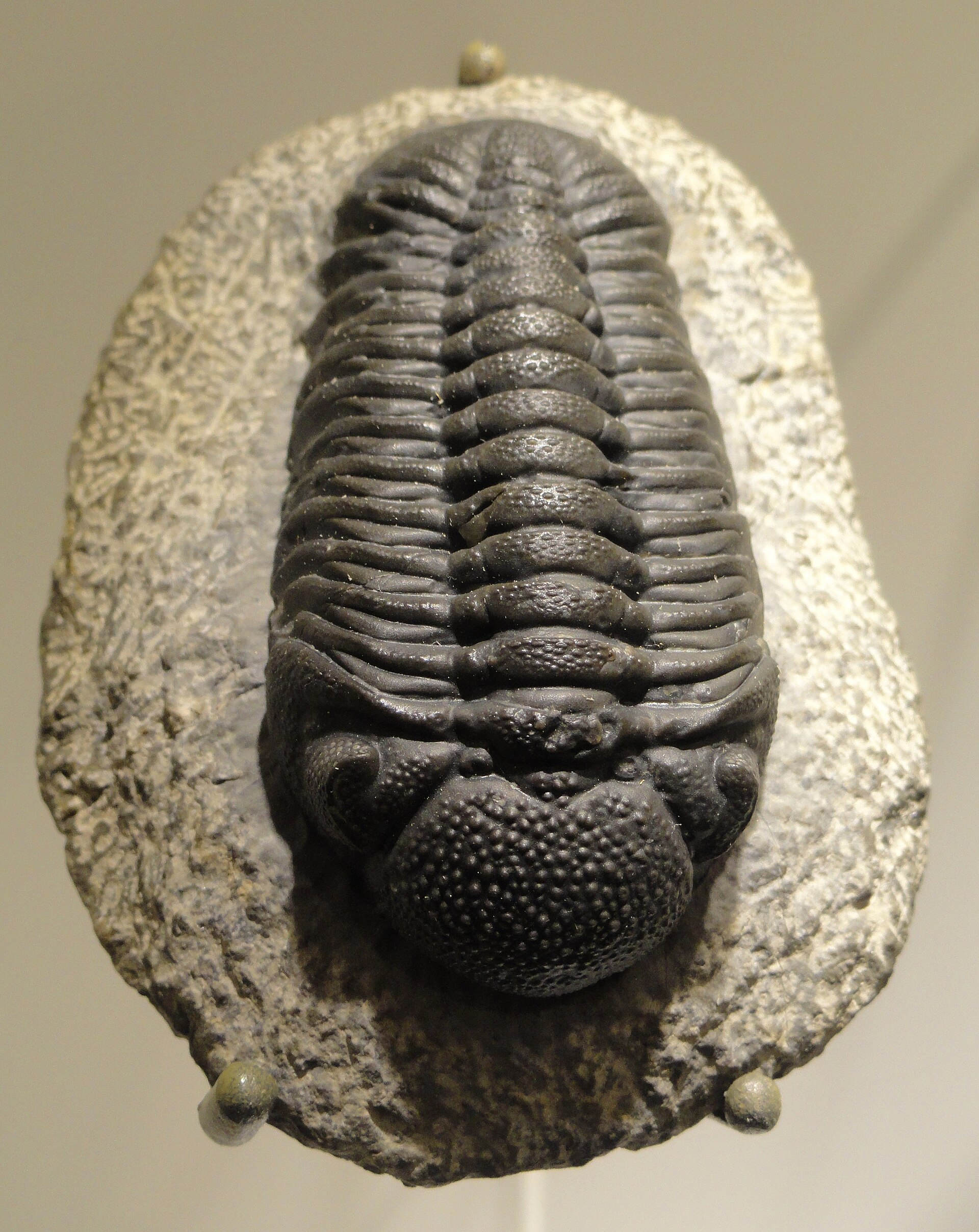
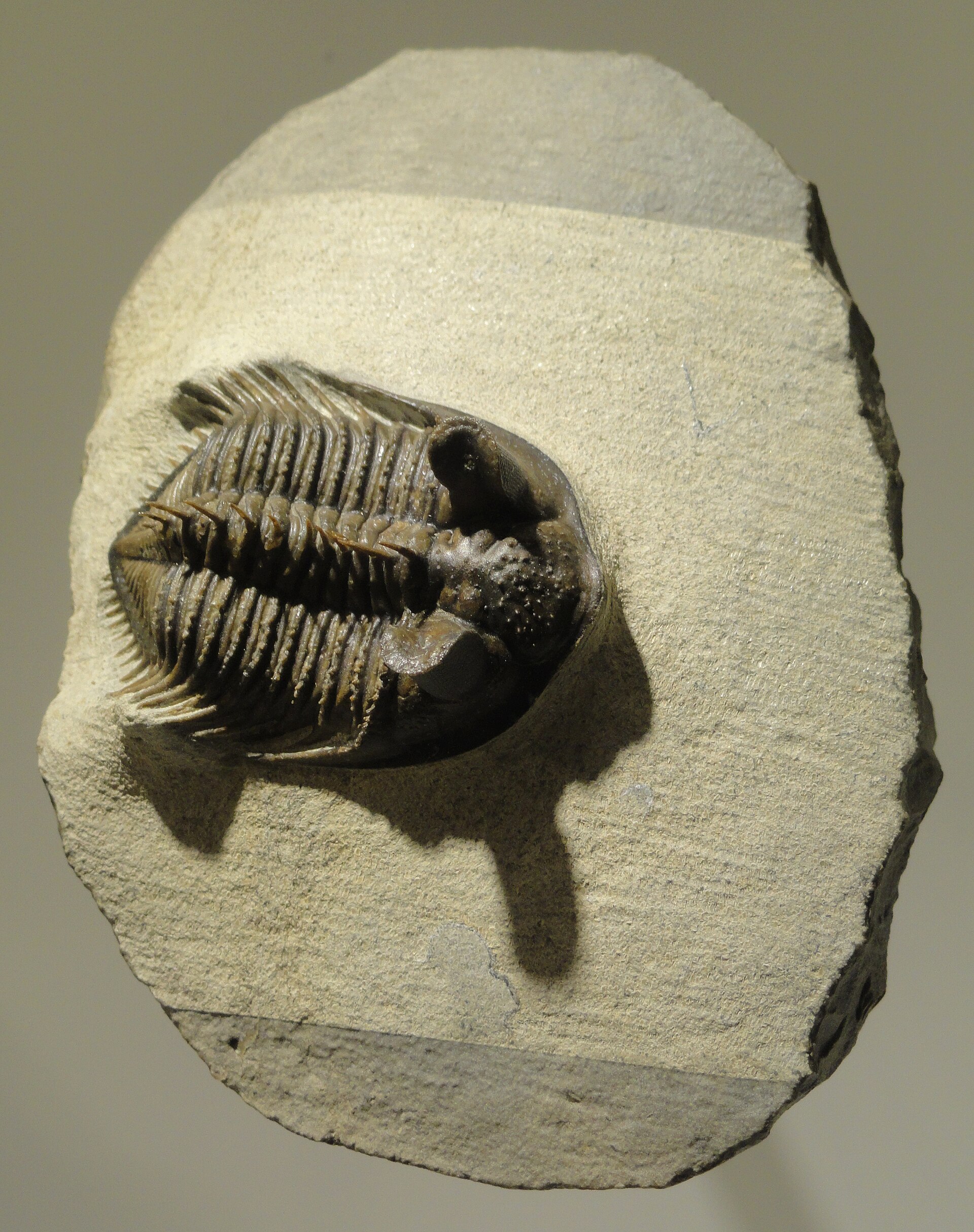
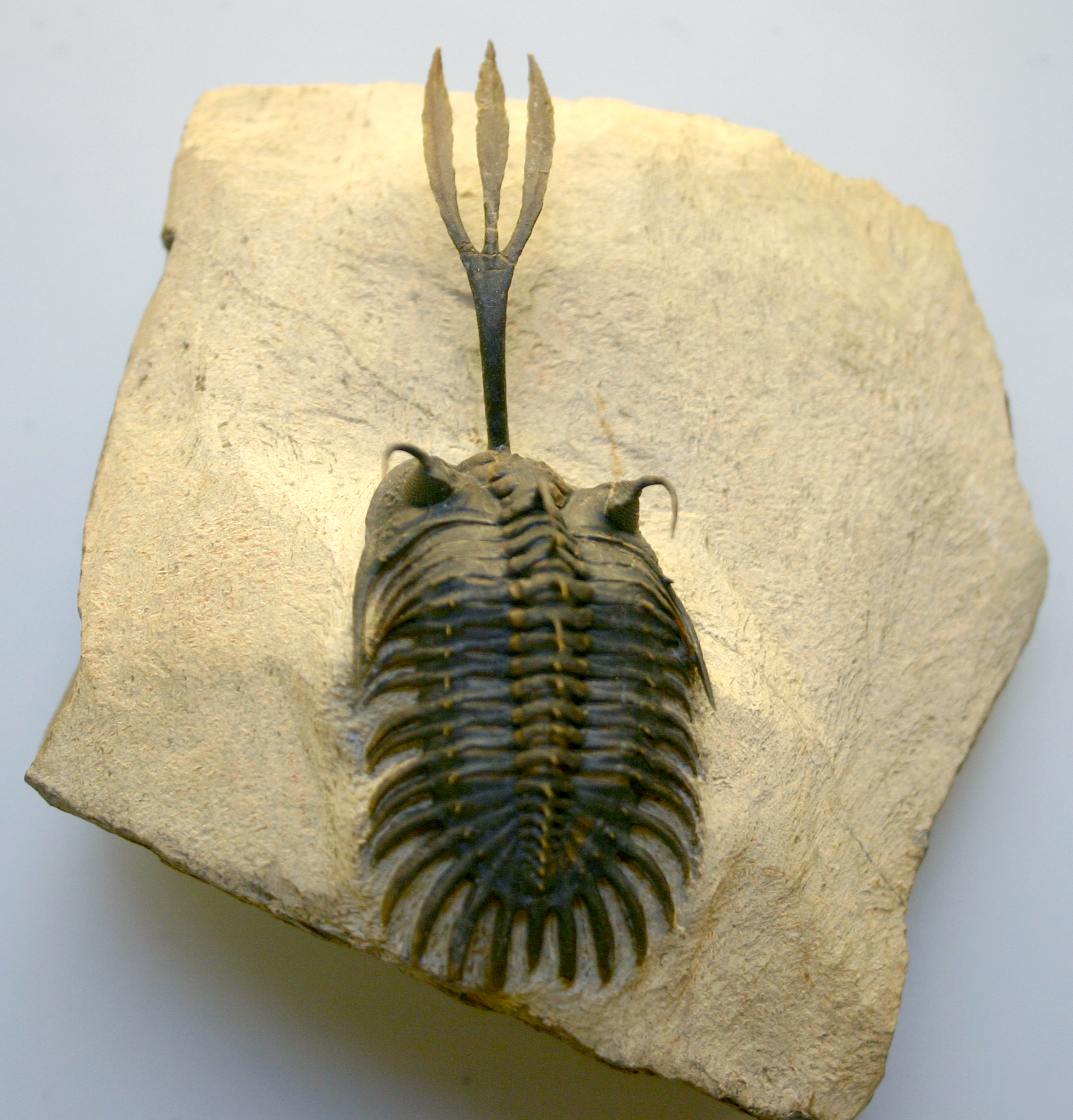
The stars of Moroccan paleontology. Trilobites were armored marine arthropods – distant relatives of crabs, insects and spiders – that lived for around 300 million years. Morocco is famous worldwide for spectacular species with spines, eye stalks and even trident-shaped heads, such as Walliserops. Local collectors say the Erfoud region holds hundreds of fossil varieties, including trilobites between about 410 and 500 million years old.
2. Orthoceras and Goniatites
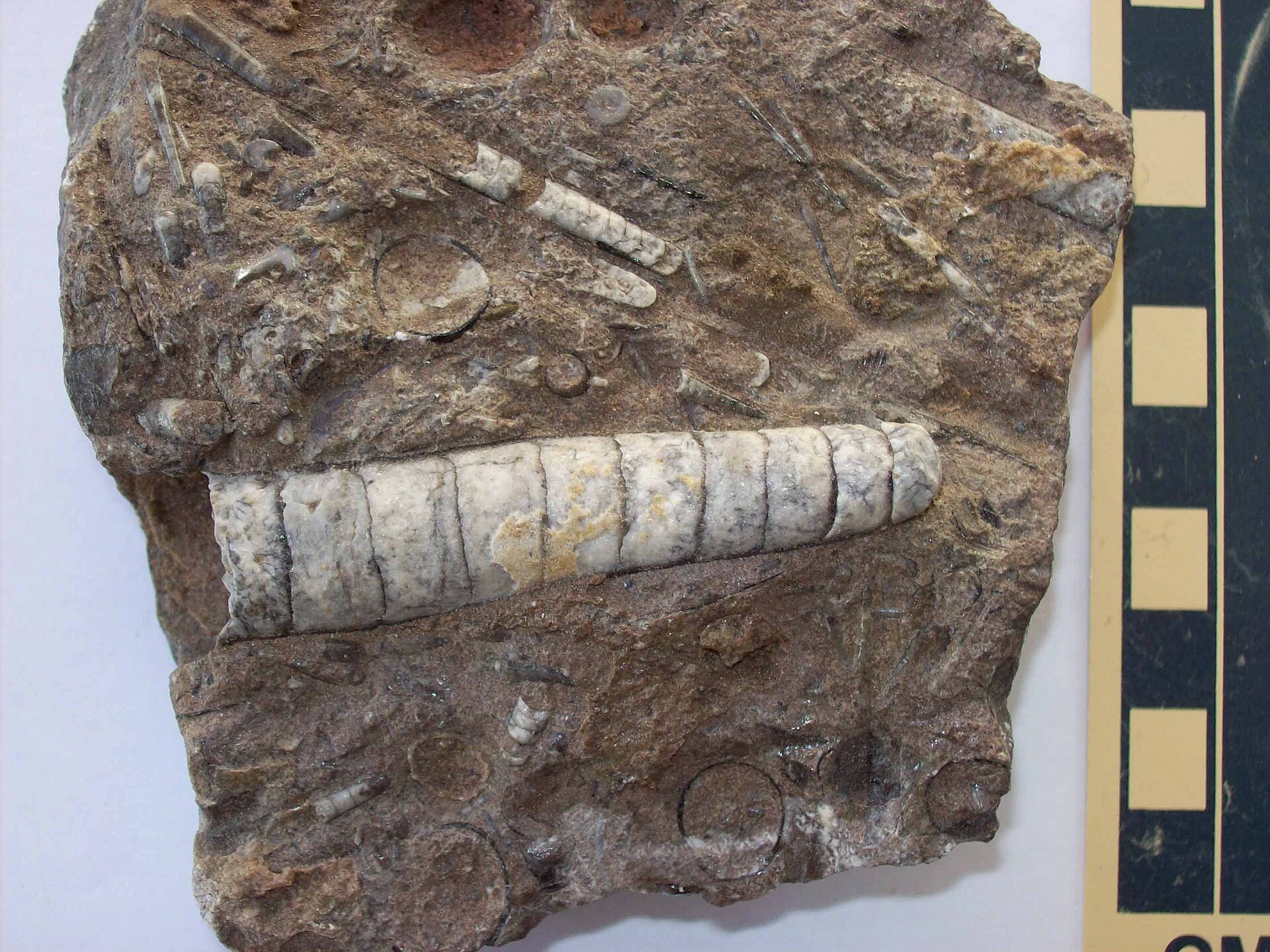
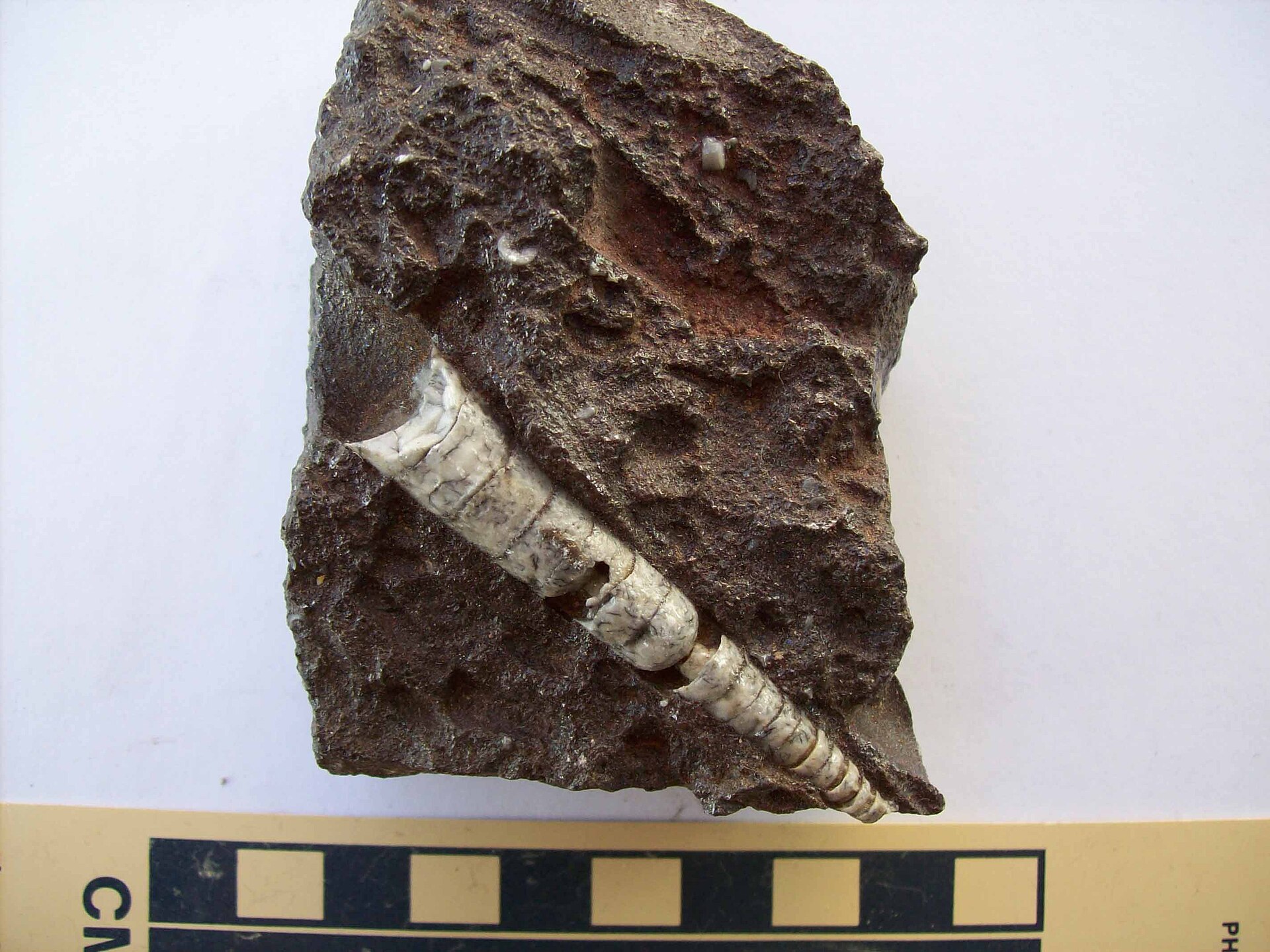
Orthoceras were straight-shelled nautiloids (relatives of today’s nautilus and squid) that lived in Silurian–Devonian seas. Their long cone-shaped shells, together with coiled goniatites, are packed into the black limestone of the Erfoud region. Local artisans cut and polish these rocks into plates, bowls, tabletops and even sinks.
3. Ammonites
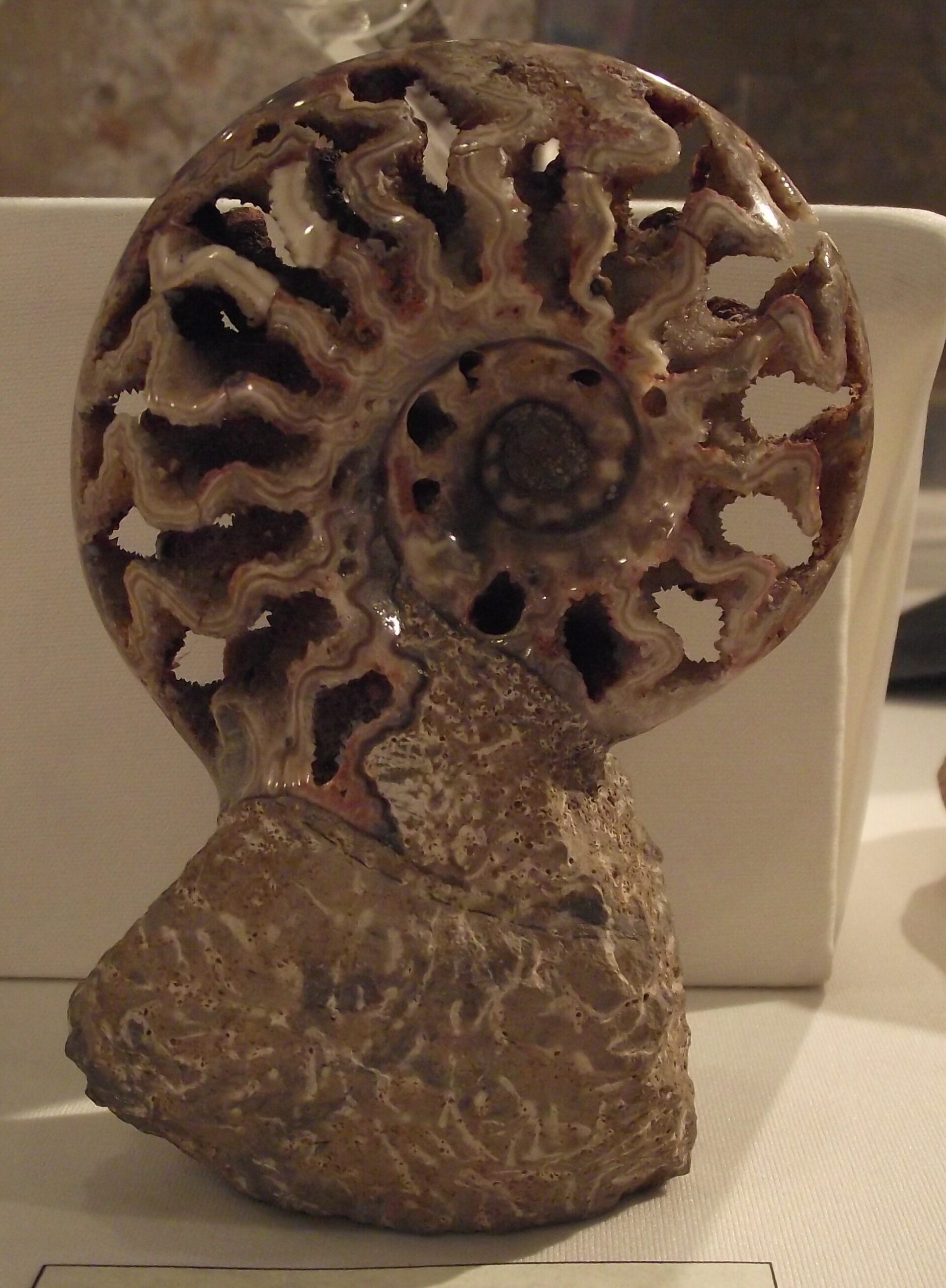
Spiral-shelled ammonites are found in several parts of Morocco, including the Atlas Mountains. Polished halves revealing the shell’s inner chambers are among the most popular souvenirs.
4. Crinoids (“Sea Lilies”)
Elegant animals related to starfish that looked like flowers on long stems. Large slabs of fossil crinoids, such as Scyphocrinites, come from the Erfoud area.
5. Dinosaurs: Spinosaurus and the Kem Kem Beds
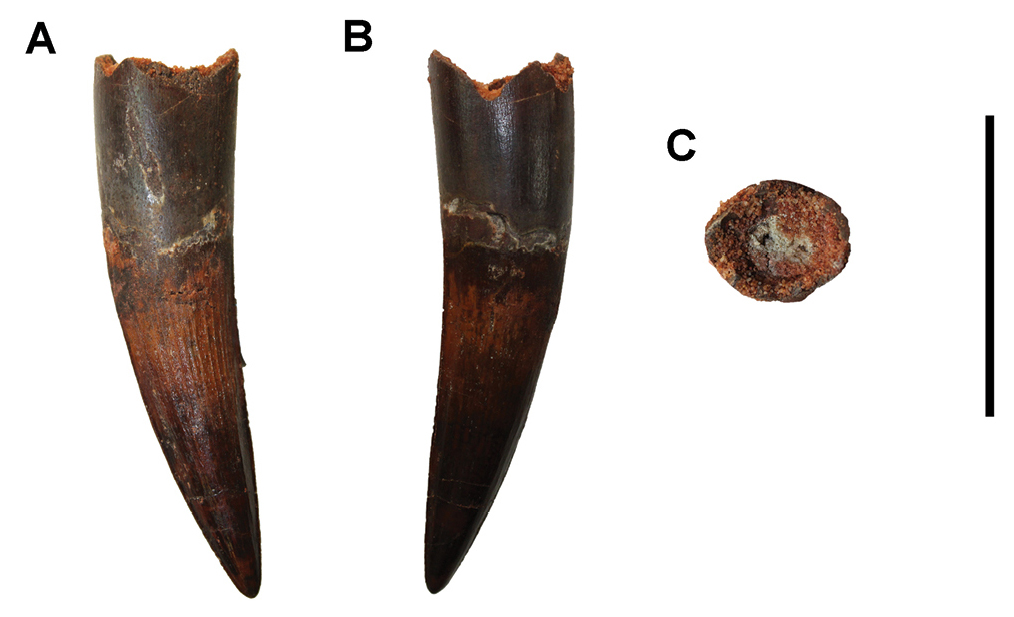
The Kem Kem beds in southeast Morocco are famous for Cretaceous fossils, including teeth and bones of Spinosaurus – one of the largest predatory dinosaurs ever discovered – as well as other dinosaurs, pterosaurs, crocodile relatives and giant fish. Spinosaurus teeth are common in local shops, but dinosaur bones are scientifically valuable and strictly regulated (see below).
6. Desert Roses and Minerals
Not fossils, but just as fascinating: desert roses (crystal formations of gypsum and sand), geodes, vanadinite and many colorful minerals are found and sold across the region.
Where to See Fossils in Morocco
Erfoud – The Fossil Capital
The town of Erfoud, on the way to the Merzouga dunes, lives largely from fossils and dates. You can visit workshops where blocks of fossil limestone are cut and polished, and see artisans preparing trilobites by hand. For a good introduction, the Tahiri Museum of Fossils & Minerals, about 11 km from Erfoud on the Rissani road, displays important specimens and is easy to spot thanks to its life-size dinosaur replicas.
Alnif – The Trilobite Capital
The small town of Alnif, on the N12 between Tazzarine and Rissani, and the surrounding basin are considered the best place in Morocco – and one of the most renowned in the world – for trilobites. Local centers explain the fossils of the region and sell genuine specimens, and guided fossil walks across the hamada are possible.
Rissani and the Tafilalt
The historic caravan town of Rissani, the last stop before Merzouga, has fossil and mineral shops and a lively traditional market.
The Atlas and Anti-Atlas
Ammonites, brachiopods and trilobites can be found in many layers of the Atlas and Anti-Atlas – often visible in the rocks along the roads.
Buying Fossils in Morocco: How to Avoid Fakes
Morocco’s fossil trade is huge, and so is the market for fakes and “enhanced” fossils. Some trilobites are entirely fake – made from plaster, local mud or resin – and can even fool experts; others are real but heavily restored. Our tips:
- Buy from established workshops and museums rather than roadside sellers.
- Look closely: real trilobites show fine natural detail and a slightly different texture from the surrounding rock; repeated identical pieces, bubbles or a “too perfect” look are warning signs.
- Ask questions: where was it found, which species and formation, has it been restored?
- Compare prices: rare, complete, spiny trilobites take many hours of preparation – a very cheap “rare” piece is usually fake or heavily repaired.
- Ask for an invoice or certificate from the seller.
- Polished Orthoceras and ammonite decorative items are common, genuine and affordable souvenirs.
Is It Legal to Take Fossils Home from Morocco?
This is important. Morocco regulates the extraction, sale and export of fossils, and authorities are increasingly fighting fossil trafficking to protect the country’s geological heritage. Recent legislation further restricted the export of scientifically valuable material such as dinosaur bones, vertebrae, jaws and teeth, and customs have seized illegal shipments of vertebrate fossils.
Our advice:
- Stick to common decorative pieces (polished Orthoceras, ammonites, simple trilobites) bought from registered shops, and keep your receipt.
- Avoid buying dinosaur bones, teeth or other vertebrate fossils unless the seller can provide official export documentation.
- Never dig or remove fossils from sites yourself.
- Check your home country’s import rules, and the latest Moroccan rules before you travel, as regulations change.
Buying responsibly supports the local families who prepare fossils while protecting Morocco’s heritage for science.
Add Fossils to Your Sahara Tour
The great news: the main fossil towns lie right on the route to the Merzouga dunes, so a fossil stop fits perfectly into a desert trip.
- 2-day desert trip from Fes to Merzouga – via Erfoud and Rissani
- 3 Days Desert Trip Marrakech to Merzouga – return via the Alnif region and the Draa Valley
- 4 days Marrakech to Merzouga – more time for fossil workshops
- 5 days Marrakech to Fes – crossing the whole fossil region
- Ouarzazate to Merzouga 4-day trip
Fossil lovers: ask us for a private fossil-themed itinerary with time in Erfoud, Alnif and Rissani, a visit to a preparation workshop and the Sahara dunes. Contact us.
Fossil-Hunting Tips
- Go with a local guide who knows the legal, safe sites.
- Best seasons: October to April – summer is extremely hot in the fossil region.
- Wear sturdy shoes, a hat and sunscreen, and carry water.
- Bring a small magnifying glass to appreciate the details.
- Take photos and leave important finds in place.
Frequently Asked Questions
Where are the best fossils in Morocco?
In the southeast: Erfoud, Alnif and Rissani in the Tafilalt region, and the Kem Kem beds near the Algerian border.
How old are Moroccan trilobites?
Most are Paleozoic, roughly between 410 and 500 million years old depending on the species and rock layer.
Can I visit fossil workshops on a desert tour?
Yes. Erfoud is on the way to Merzouga, and we can include a workshop visit on request.
Are Moroccan fossils real?
Many are genuine, especially polished Orthoceras and ammonites, but fake and heavily restored trilobites exist. Buy from reputable shops and ask questions.
Can I bring a Spinosaurus tooth home?
Dinosaur teeth and bones are subject to strict export rules. Avoid buying them unless the seller provides official export documents.
Discover Morocco’s Prehistoric Past
From 500-million-year-old trilobites to the giant predators of the Kem Kem, Morocco’s fossils are a fascinating window into deep time. Combine them with the golden dunes of the Sahara on a private tour with our local team. Ask for your free itinerary.
Fossil photos from Wikimedia Commons, used under their free licenses (public domain, CC0 or Creative Commons Attribution) as credited in each caption.
