

Rabat is Morocco’s capital, and one of its most pleasant cities to visit. It is calm, green and clean, with an Almohad kasbah painted blue and white above the ocean, a famous unfinished minaret, Roman and medieval ruins full of storks, and a relaxed medina where you can shop without pressure. In 2012 UNESCO added Rabat to the World Heritage List as both a historic and a modern capital.
Many travellers skip it on the way between Casablanca, Fes and Tangier. Here is why you should stop, and the best things to do in Rabat in one or two days.
Rabat at a glance
- Getting there: about 1 hour by train from Casablanca, around 1 hour 20 minutes from Tangier on the Al Boraq high-speed train, and about 2.5–3 hours from Fes.
- Airport: Rabat-Salé (RBA). See our Rabat airport guide.
- How long to stay: one full day for the highlights; two days for a slower visit including Salé and the museums.
- Best for: history, architecture, a calm medina and ocean views.
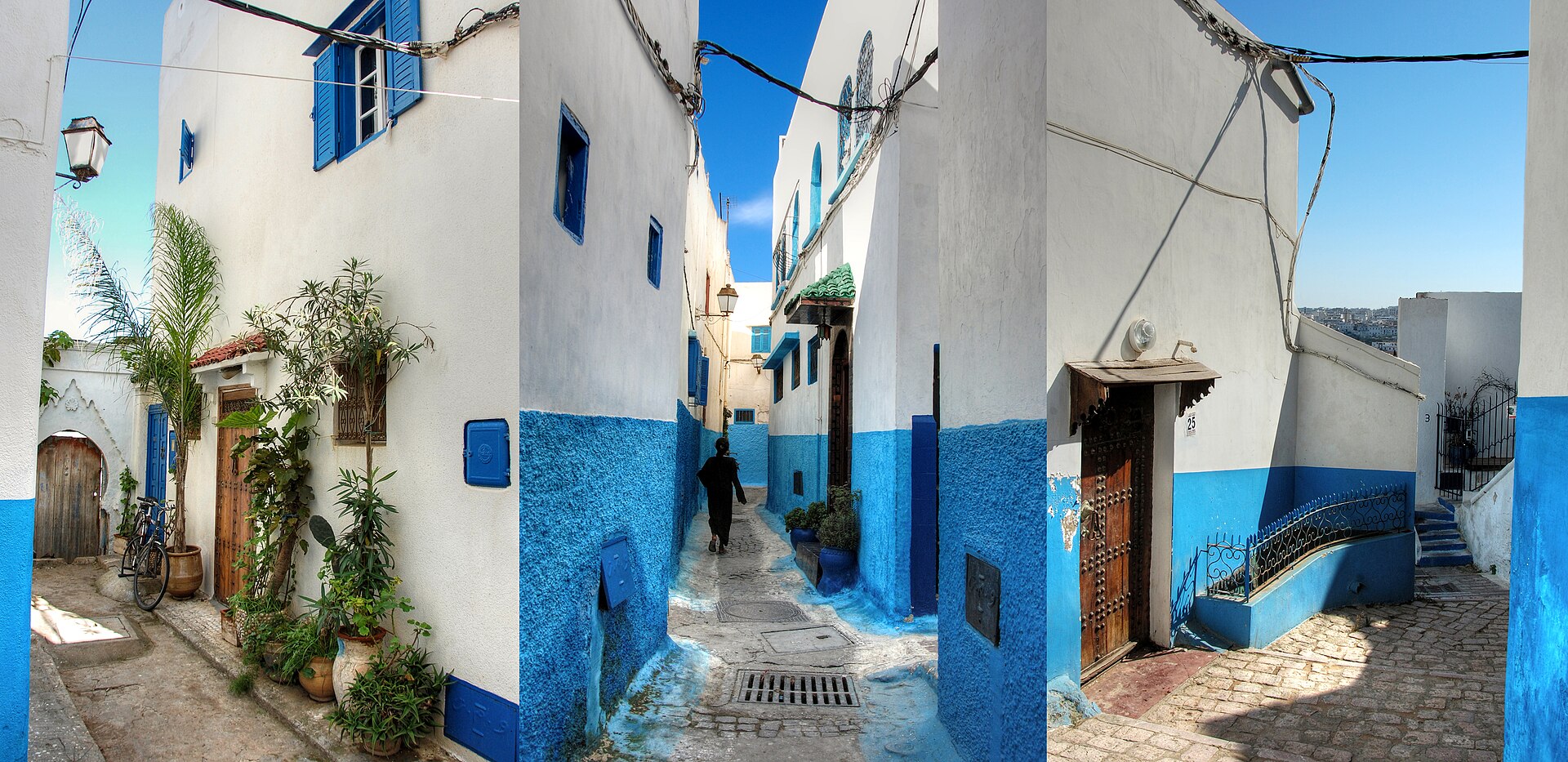
1. Kasbah of the Udayas
The Kasbah of the Udayas is the most beautiful corner of Rabat. Built as a fortress in the 12th century, it stands on a rock where the Bouregreg River meets the Atlantic. Enter through the monumental Bab Oudaya gate and get lost in narrow lanes of white houses with blue-painted walls. At the top, a terrace looks over the ocean, the river and Salé. Below the walls, the Andalusian Gardens are a peaceful place to rest, and a traditional café serves mint tea and pastries with a view of the estuary.
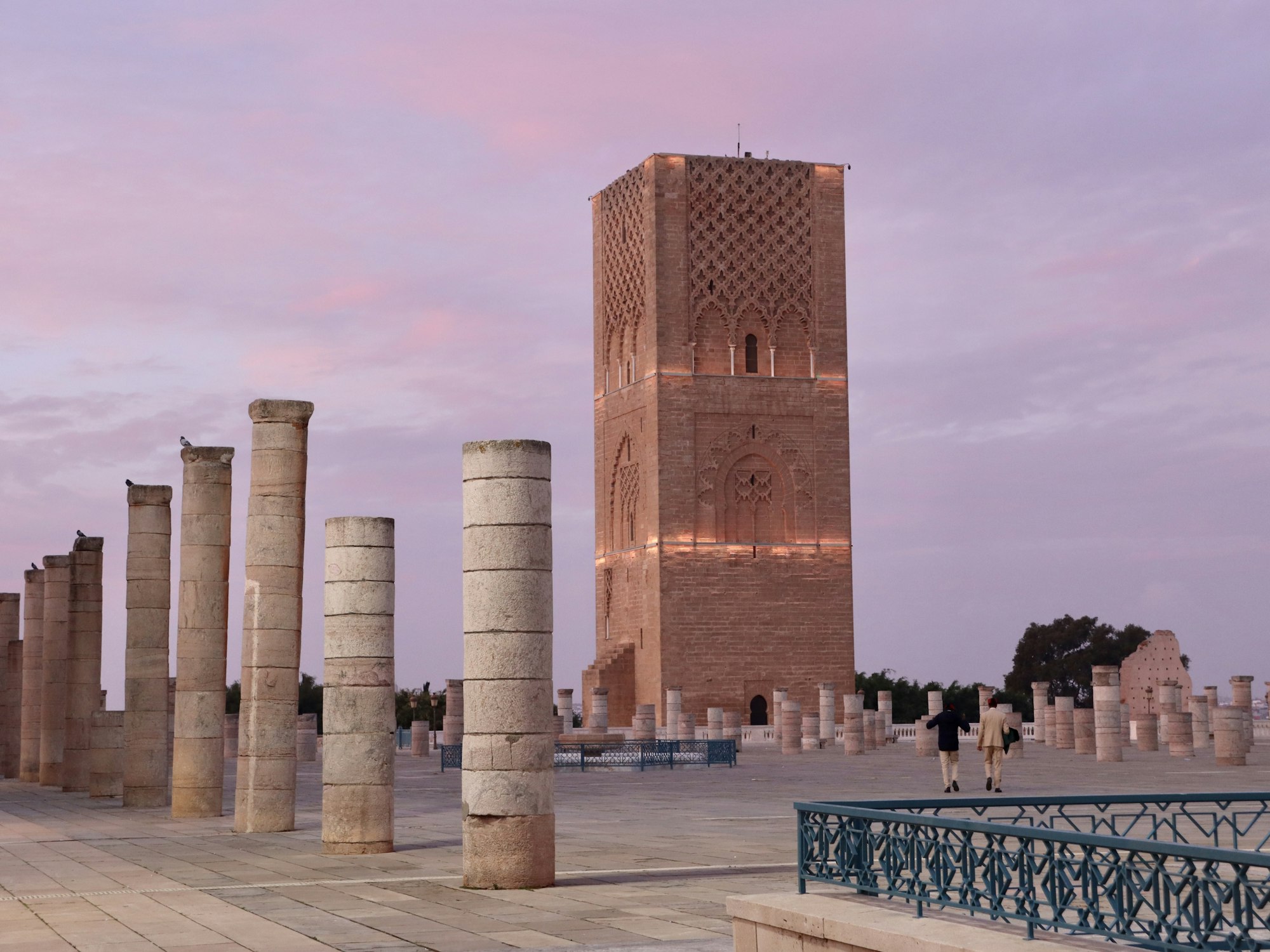
2. Hassan Tower and the Mausoleum of Mohammed V
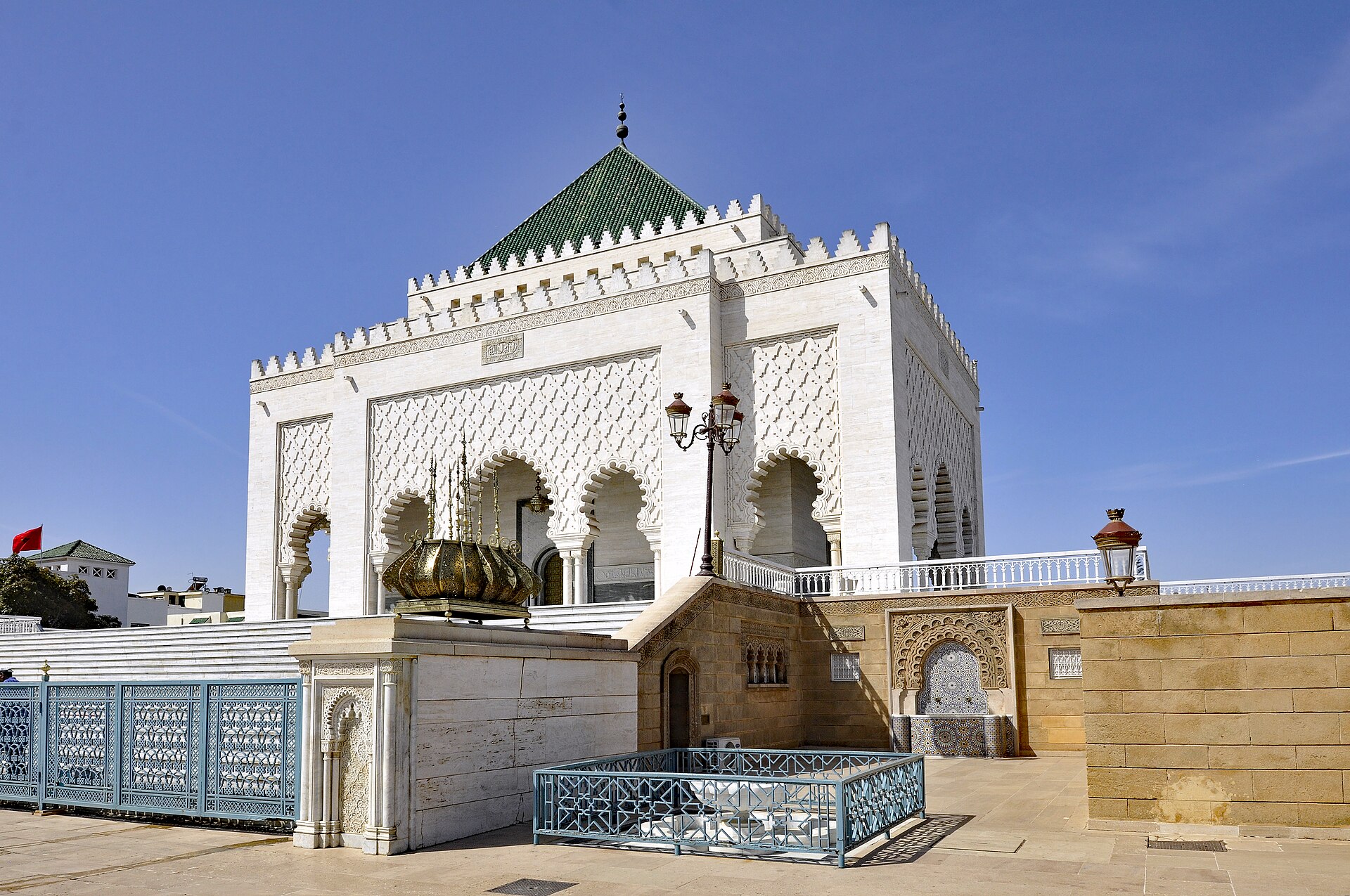
The Hassan Tower is the unfinished minaret of a huge mosque begun at the end of the 12th century by the Almohad sultan Yaqub al-Mansur. Work stopped when he died, and the tower and rows of columns are what remain. On the same esplanade, the Mausoleum of Mohammed V holds the tombs of King Mohammed V and his sons, King Hassan II and Prince Moulay Abdallah. Visitors can enter respectfully; royal guards in traditional uniform stand at the gates.
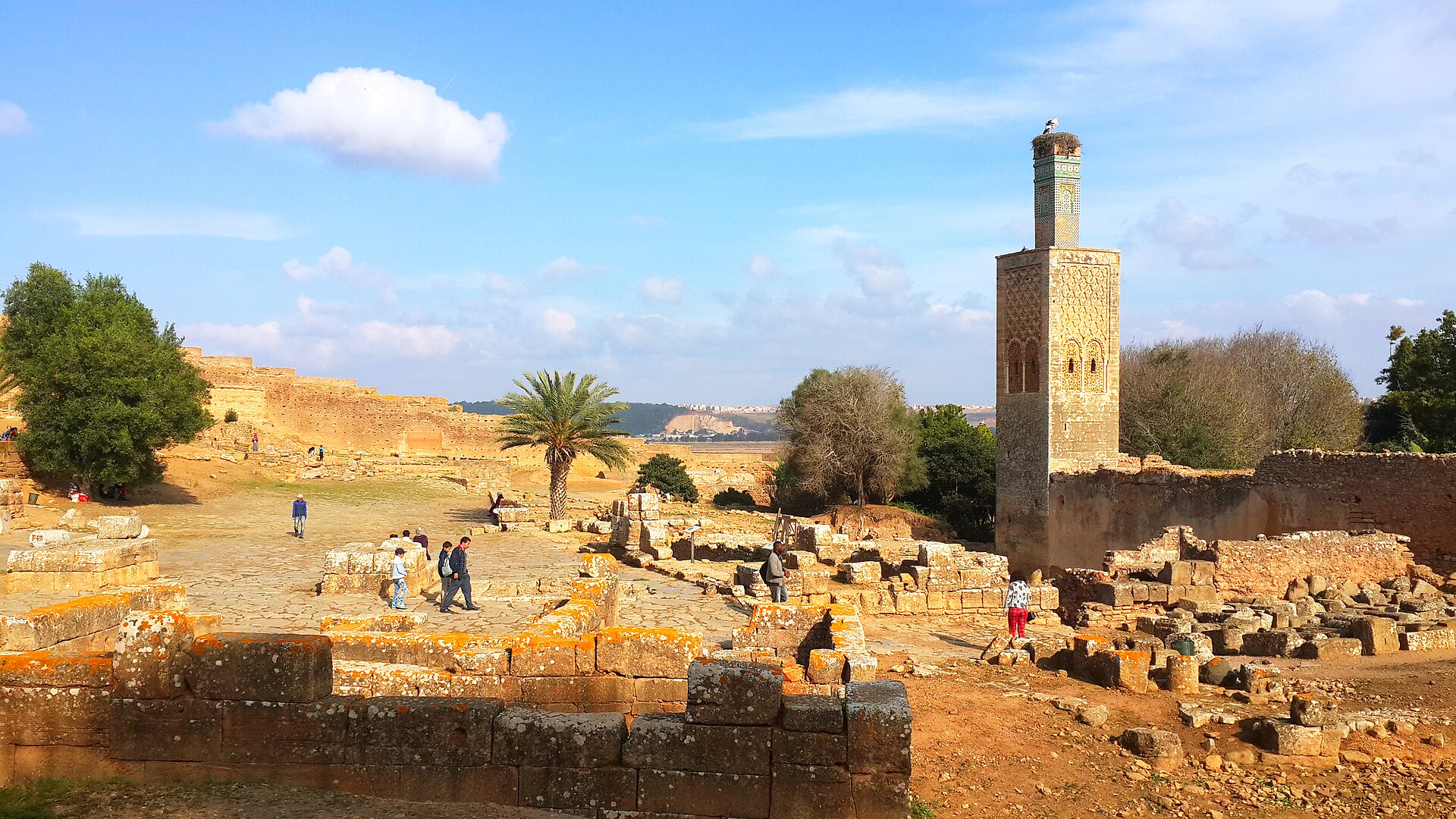
3. Chellah
Chellah is one of the most atmospheric sites in Morocco. Inside high walls are the ruins of Sala, a Roman town, and a Marinid necropolis from the 14th century with tombs, a mosque and a minaret covered in zellige tiles. Today it is a garden full of flowers, cats and white storks nesting on every wall and tower. Allow at least an hour.
4. The medina and Rue des Consuls
Rabat’s medina is small, easy to walk and much calmer than those of Marrakech or Fes. Rue des Consuls, near the kasbah, is lined with carpet, leather and craft shops, and Avenue Mohammed V crosses the medina with food stalls and everyday shops. It is a good place to shop at local prices.
5. The modern city and museums
- Mohammed VI Museum of Modern and Contemporary Art: Moroccan and international art in an elegant building in the centre.
- Archaeological Museum: Roman bronzes from Volubilis and finds from across Morocco.
- Avenue Mohammed V: colonial-era buildings, the Parliament and cafés.
- Bouregreg valley: the riverside promenade, the marina and the new Grand Theatre, with the Mohammed VI Tower — one of the tallest buildings in Africa — rising on the Salé side.
6. Cross the river to Salé
Salé, Rabat’s twin city across the river, has its own medina, walls and a beautiful Merinid madrasa. It sees few tourists, so it feels very authentic. You can cross by tram or, on calm days, in a small rowing boat from the riverbank below the kasbah.
7. The beach and the ocean
Rabat’s main city beach lies below the kasbah, popular with local surfers and families. For a quieter beach, head a few kilometres south along the coast road towards Temara.
One-day Rabat itinerary
- Morning: Kasbah of the Udayas and the Andalusian Gardens, mint tea at the café.
- Late morning: walk through the medina along Rue des Consuls.
- Lunch: fish or Moroccan dishes in the medina or by the marina. Not sure what to order? See our Moroccan food guide.
- Afternoon: Hassan Tower and the Mausoleum of Mohammed V, then Chellah.
- Evening: sunset over the river from the kasbah walls or the Bouregreg promenade.
Getting around
Rabat has a modern tram network linking the centre, the train stations and Salé, and blue petit taxis for short trips. The historic sights are close together, so most of the day can be done on foot. If you are travelling around Morocco, a private driver can include Rabat as a stop between Casablanca, Chefchaouen and Fes — see how a private driver-guide works in Morocco.
When to visit Rabat
Like Casablanca, Rabat has a mild ocean climate: warm summers without the extreme heat of inland cities, and cool, sometimes rainy winters. Spring and autumn are ideal. See the best time to visit Morocco month by month.
Tours that start in or pass through Rabat
- 7-Day Morocco Tour from Rabat — Fes, the Sahara at Merzouga, the gorges and Marrakech.
- 6-Day Northern & Imperial Cities Tour — Tangier, Chefchaouen, Volubilis, Fes and Meknes.
- 11-Day Morocco Grand Tour from Rabat — the north, the desert, Marrakech and Essaouira.
- All itineraries: Rabat tours. Arriving in Casablanca instead? See desert tours from Casablanca.
Continue your trip with our guides to Casablanca, Chefchaouen, Tangier and Fes.
FAQ
Is Rabat worth visiting?
Yes. It is calmer than most Moroccan cities, its sights are close together, and the Kasbah of the Udayas and Chellah are among the most beautiful places in the country.
How many days in Rabat?
One day is enough for the main sights. Stay two days to add Salé, the museums and the Bouregreg valley.
Rabat or Casablanca?
If you only have time for one, Rabat has more historic sights and a more relaxed atmosphere, while Casablanca has the Hassan II Mosque and a bigger-city feel. They are only an hour apart, so many travellers see both.
Is Rabat safe for tourists?
Rabat is considered one of the safest and calmest cities in Morocco. Use normal city precautions. More advice in our Morocco safety guide.
